Contents
In brief
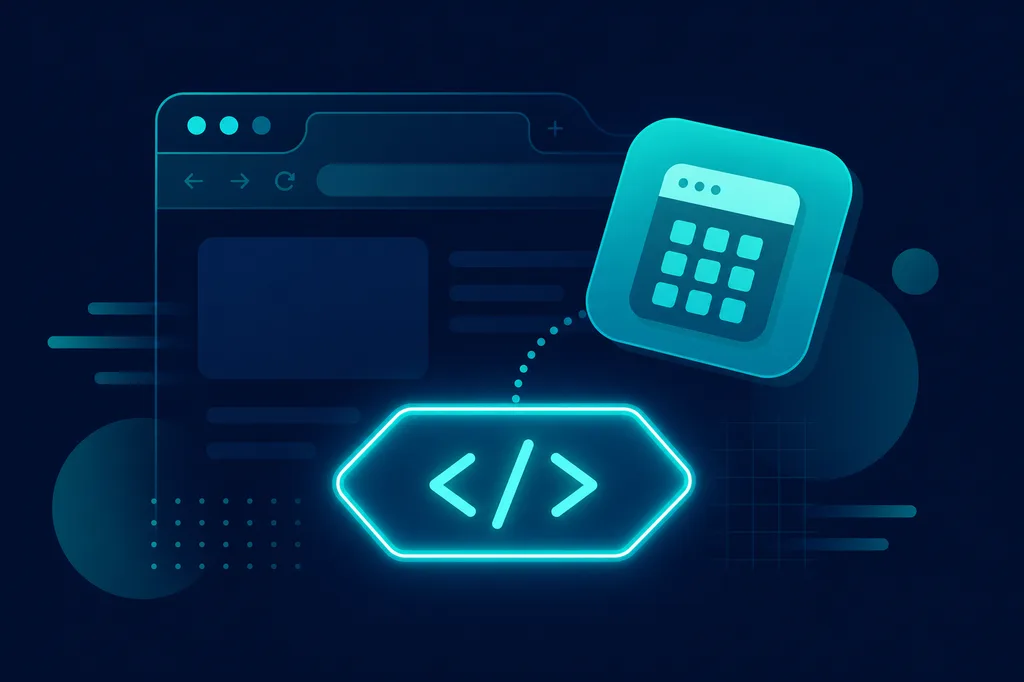
Chrome and Edge are experimenting with an HTML <install> element — a declarative “install app” control for PWAs without mandatory JavaScript. Frontend Focus #741 compares it to the classic Web Install API flow.
What happened
PWA install today usually means manifest, service worker, custom UI, and beforeinstallprompt (where still available). <install> aims to shrink that to semantic markup.
Same digest highlights:
- Safari 26.5:
:open, CSSrandom()updates, anchor positioning fixes, Origin API. - Safari Technology Preview for upcoming WebKit work.
- Tailwind CSS v4.3 and Vue/web-platform testing tools.
Browsers keep adding native primitives for common UX — like <dialog> for modals.
Why it matters
Install flows break when manifest, SW scope, and custom JS disagree. A declarative element lowers the “just works” bar and improves accessibility vs div-onclick buttons.
If <install> ships broadly, design systems may collapse custom InstallButton components to one tag plus legacy fallback.
In practice
- Track caniuse / Chrome Platform Status — still experimental.
- Keep manifest + SW; the element is UX, not a PWA replacement.
- Progressive enhancement:
<install>where supported, instructions elsewhere. - Test Safari 26.5 features if you target Apple platforms.
- One primary install CTA per page.
Takeaway
<install> moves PWA install toward less JS. Context in Frontend Focus #741.