1C integration and custom solutions

Customer Portals for 1C

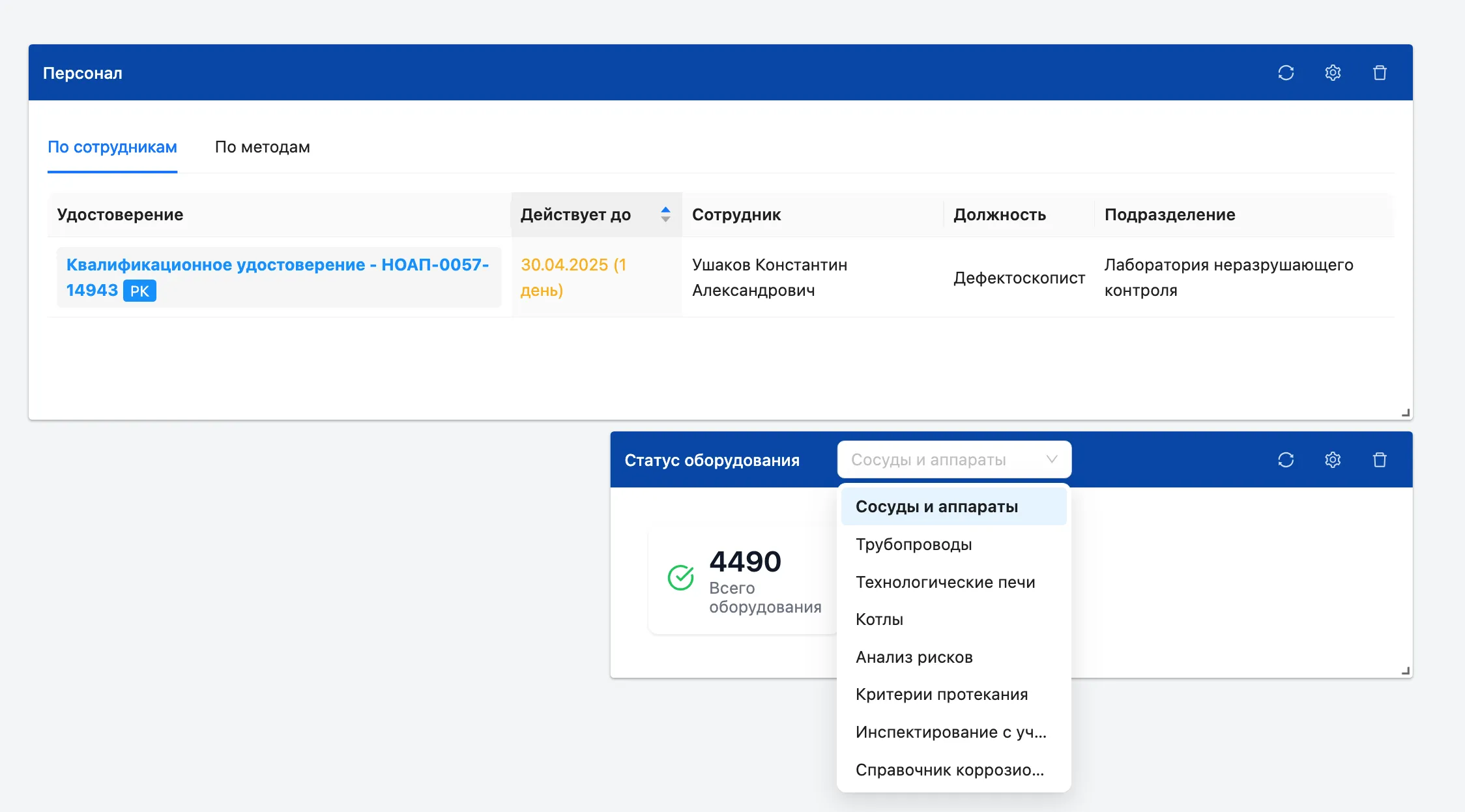
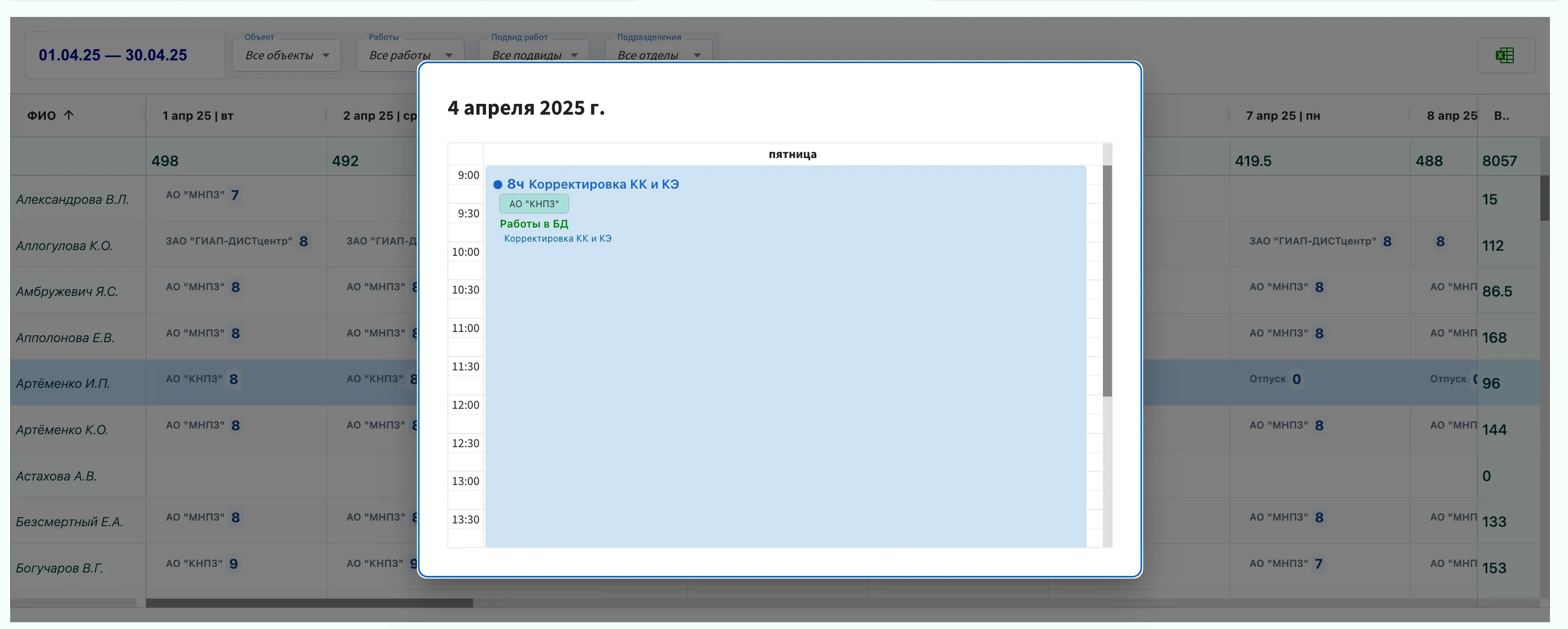
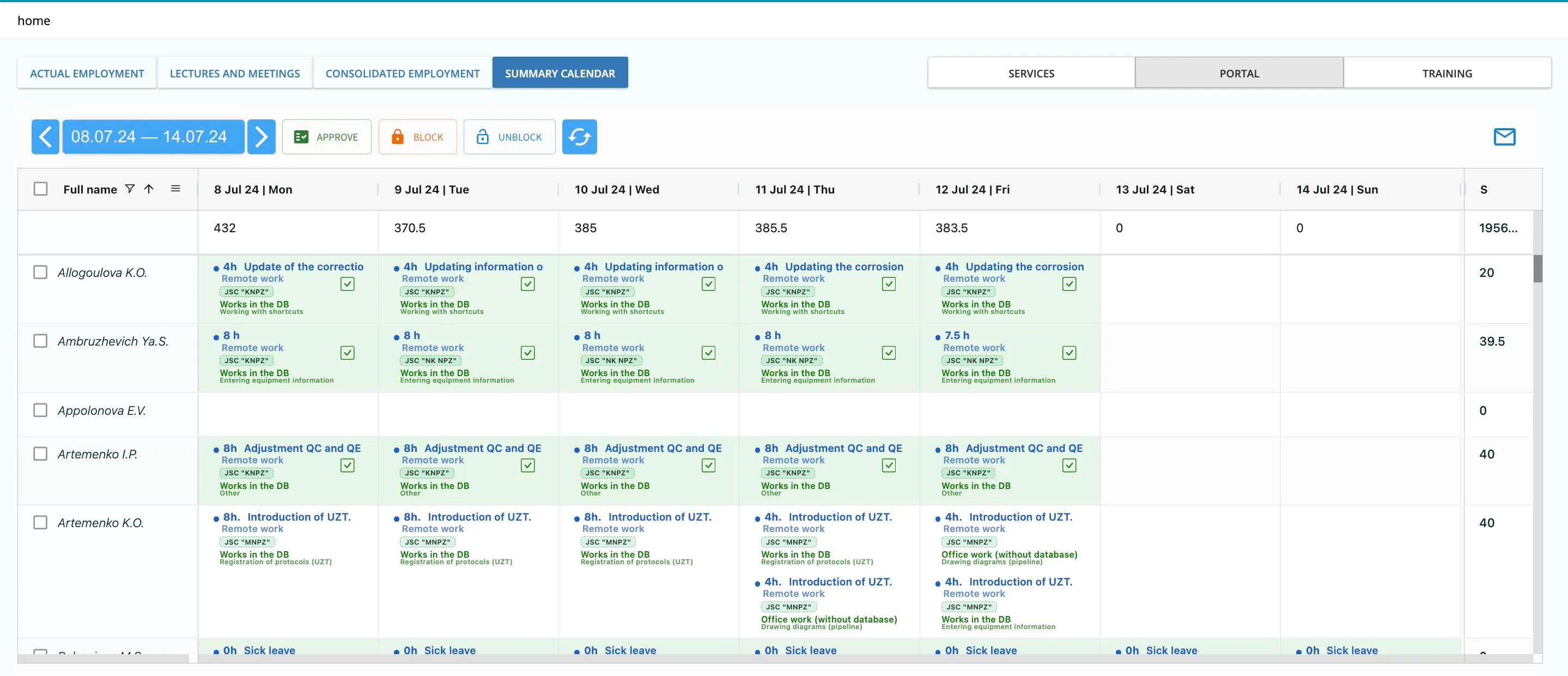
A portal lets a customer or partner see their orders, documents, balance, and statuses without access to the accounting interface.

Discuss this directionContact form

Tell me the goal, stack constraints, and timeline — I reply on Telegram.

A portal lets a customer or partner see their orders, documents, balance, and statuses without access to the accounting interface. I build an authenticated web layer while 1C remains the accounting-data source.

Scope includes roles, user-to-account mapping, agreed documents, requests, safe files, optional cache, and idempotent commands linked by externalId. Acceptance ensures users see only their own account, repeats create no duplicates, outages are reported honestly, and stale data is timestamped. An established B2B module is better when its workflows fit.
Acceptance criteria

Done when

  • Agreed entities sync with externalId and no duplicates on retry
  • Exchange journal shows object, result, and attempt
  • Failure paths are visible to operators

Deliverables

  • API/contract notes + mapping table
  • Staging exchange runbook

Out of scope

  • 1C accounting-policy changes
  • Production 1C upgrades without change windows

Assumptions

  • Test infobase and a 1C contact for metadata

The final acceptance checklist is confirmed in the brief or contract; the list above is a scope alignment guide.

Ballpark estimate

Scope size
Extras

FAQ

Tap a question to expand the answer.

Does every screen query 1C directly?

Not necessarily. An intermediary database, cache, and command queue often improve resilience while exposing freshness.

Can invoice payment be added?

Yes, through a payment provider and confirmed status, with a separate retry and reconciliation flow.

Discuss this directionContact form

Tell me the goal, stack constraints, and timeline — I reply on Telegram.

View full service page