cursor-telegram-integration
Integration tooling between Cursor IDE workflows and Telegram notifications or commands. TypeScript Node services for lightweight automation around dev events.
DetailsDeveloper news without the noise — My Dev News in Telegram.

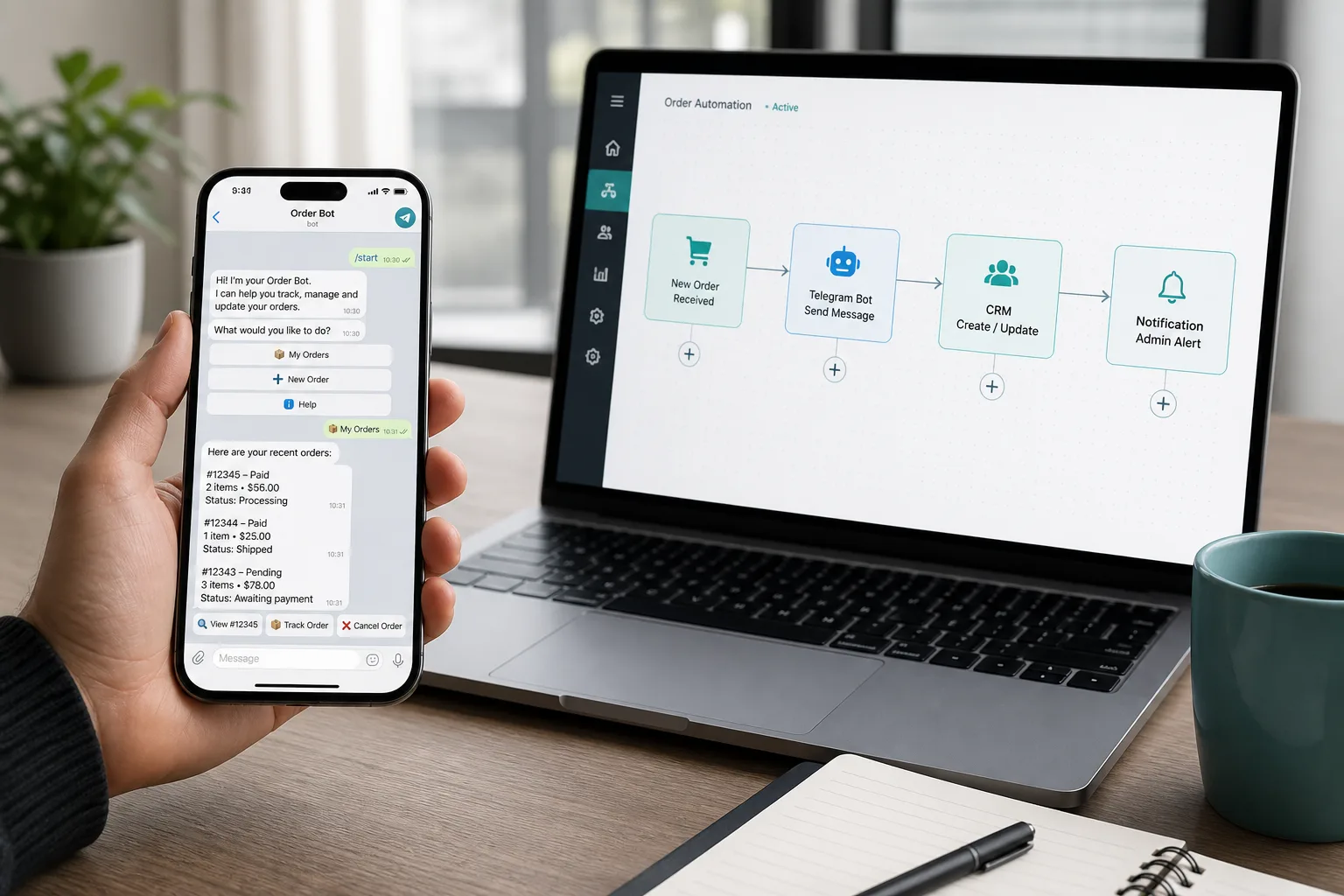
Bots and automation for Telegram, MAX, and VK with shared business logic, channel adapters, APIs, and observable workflows.
Tell me the goal, stack constraints, and timeline — I reply on Telegram.
I build chatbots as interfaces to a process, not collections of buttons tied to one messenger. Telegram, MAX, and VK differ in authentication, message formats, button constraints, payments, and publishing rules. Applications, statuses, permissions, and reminders stay in shared business logic, while each channel connects through an adapter.
The first question is what the bot changes in real work: capture a structured request, show a CRM status, send an alert, take payment, or open a mini app. Every flow defines its state, data source, repeated-delivery behaviour, and handoff to a person. Duplicate messages must not duplicate operations; an unavailable CRM must produce a useful user status and an operator log.
n8n works well for simple flows such as receiving a webhook, transforming a few fields, sending a message, and recording the result. Complex permissions, long-lived state, queues, calculations, and domain rules are safer in tested code with its own data model.
The scope is the bot, its server-side logic, and agreed integrations. Support content, operator staffing, and third-party licences remain with the process owner. Acceptance covers new and returning test users, repeated commands, unavailable APIs, state recovery, and denied roles. A broadcast-only channel usually needs no custom bot.
The final acceptance checklist is confirmed in the brief or contract; the list above is a scope alignment guide.
Integration tooling between Cursor IDE workflows and Telegram notifications or commands. TypeScript Node services for lightweight automation around dev events.
DetailsTelegram assistant bot using OpenAI APIs for reflective prompts and summarization. Python orchestration with conversation memory controls.
DetailsTelegram bot for medication reminders and simple adherence tracking. Async Python with clear state handling and privacy-conscious logging defaults.
DetailsLive Telegram bot for developers: thirty-plus sources (official JS/React/frontend blogs, AI and engineering feeds, Hacker News, Dev.to, GitHub releases), AI ranking, Squeeze, digests, EN/RU/UK.
DetailsTelegram bot handling payment-related flows for PlayStation or digital goods context. Python service layer with guarded callbacks and audit-friendly messages.
DetailsTelegram bot guiding toilet-training routines with gentle reminders and progress streaks. Python bot logic tuned for caregiver UX.
DetailsYou describe the goal, constraints, timeline, budget, and infrastructure.
I ask questions, review existing code or a brief when needed, and lock scope.
I propose stages, priorities, and a timeline range; we agree on reporting.
Iterations with intermediate results: commits, demos, and feedback.
Deploy and docs as needed; we agree on maintenance or targeted follow-ups.
Tap a question to expand the answer.
Telegram, WhatsApp Business API, Discord, Slack on the international side; for RU audiences also VK and MAX with shared business logic.
Webhooks in production when HTTPS is available; polling only for local dev or constrained hosting.
Usually Docker on your VPS or cloud VM; I help with env secrets, restarts, and log-friendly deployments.
Secrets in environment variables, least-privilege bot scopes, no tokens in git, and rotation guidance when platforms allow it.
Yes—typical pattern is bot + small REST API to your backend, payment provider, or Home Assistant.
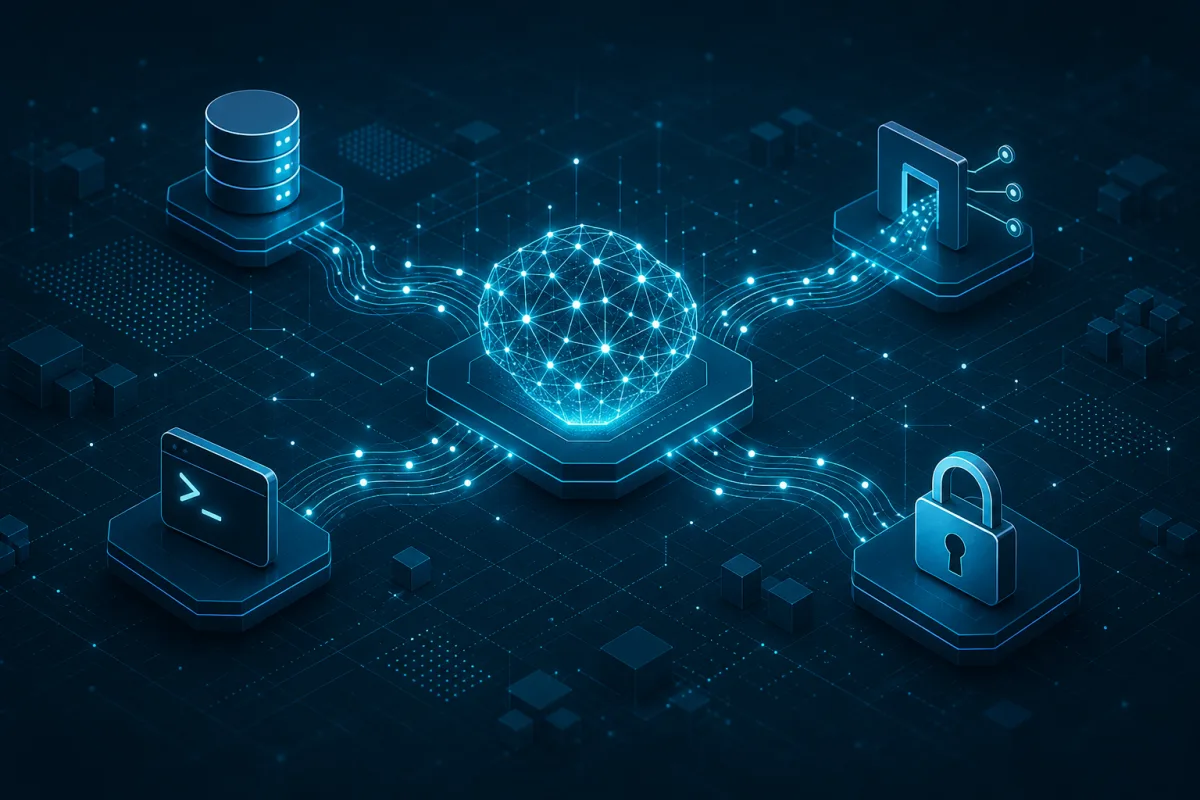 MCP in productionA practical guide to Model Context Protocol after the 2026-07-28 release: no sessions, MRTR, header-based routing, auth hardening, shadow MCP, and servers that survive real load.
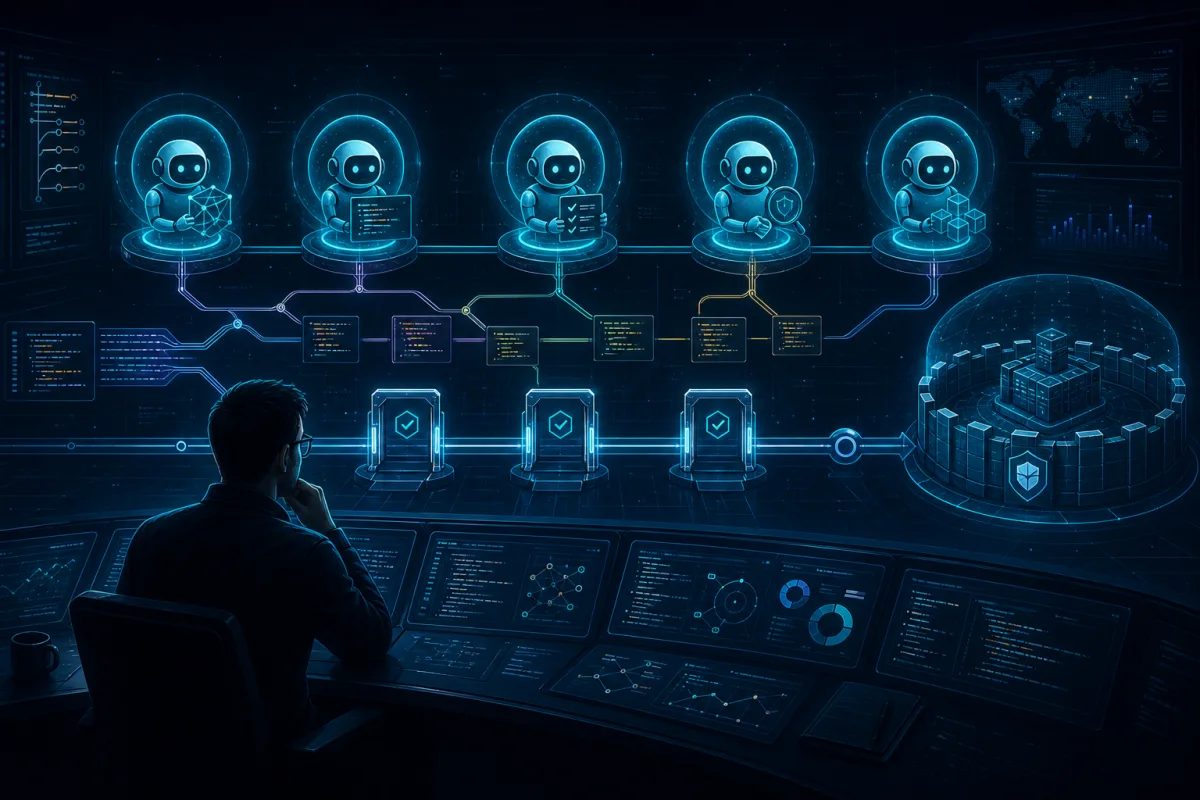 Agentic engineering in 2026A practical model for agentic development: context, task decomposition, verification loops, multi-agent orchestration, security, DORA metrics, and the engineer's role in the 2026 SDLC.
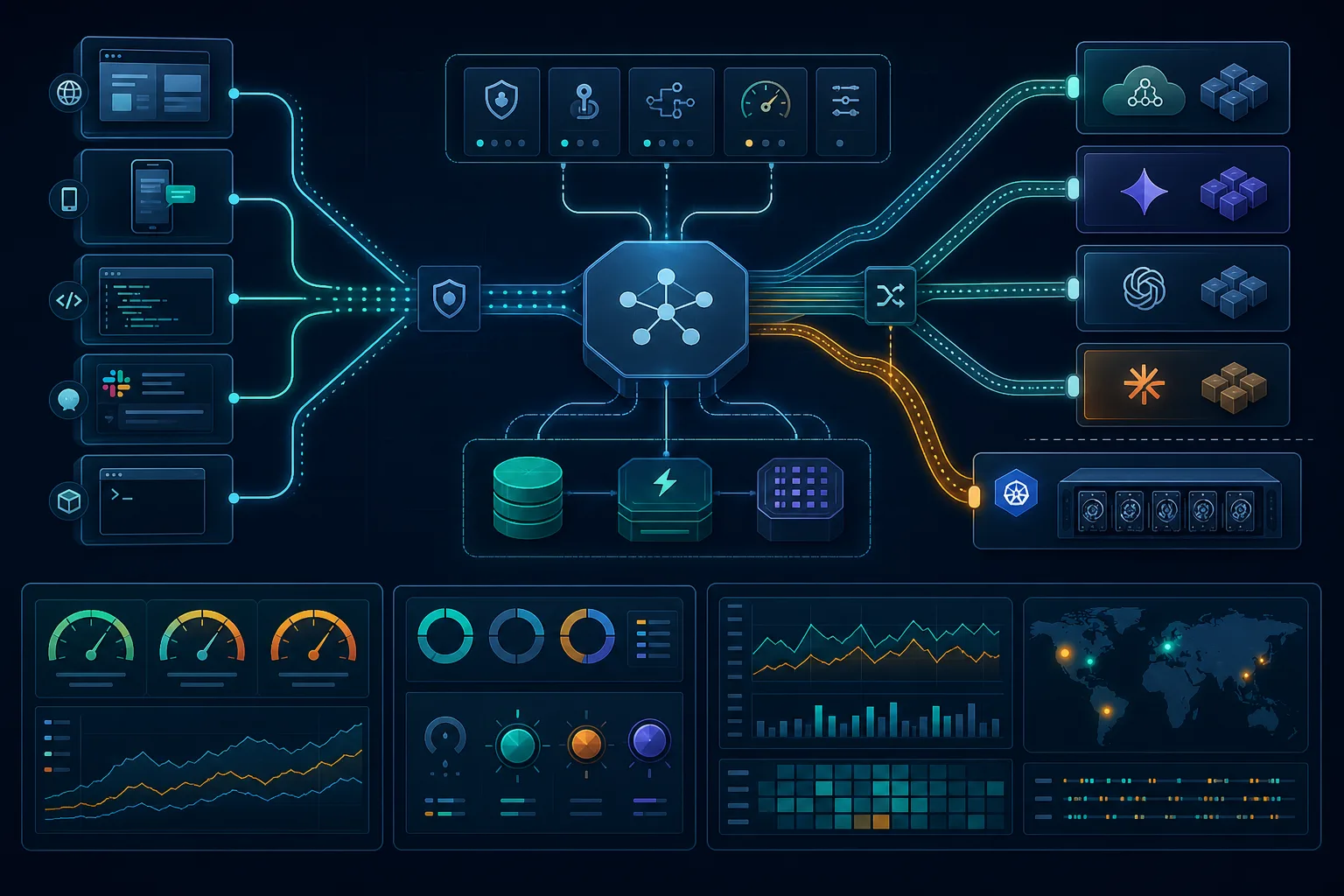 LLM gateway and FinOpsA practical 2026 guide to LLM gateways and FinOps: request taxonomy, model routing, token budgets, caching caveats, failover, multi-provider contracts, chargeback, security, observability, and a 90-day rollout plan.
Tell me the goal, stack constraints, and timeline — I reply on Telegram.