

Effect for TypeScript: architecture, typed errors, dependencies, and concurrency
How Effect puts errors, dependencies, and concurrency into the type system: Layer, Schema, comparison with Promise, Zod, and fp-ts — and when the library is overkill.
Developer news without the noise — My Dev News in Telegram.

Tag
All blog posts with this tag.
How Effect puts errors, dependencies, and concurrency into the type system: Layer, Schema, comparison with Promise, Zod, and fp-ts — and when the library is overkill.

Why the go keyword is not the whole model: channels, a bounded pool, and stopping work after the client has gone.

Model Context Protocol—a shared tool catalog for AI apps: server, client, JSON-RPC, and a PayIQ FastMCP walkthrough.

Five-layer problem specs for AI coding: invariants, data contracts, concurrency, fault topology, and observability—before you prompt.
crewai-go mirrors Agent, Task, and Crew in pure Go stdlib: one binary, fast cold start, and explicit task dependencies.

A realistic Go growth map: the Junior foundation, Middle-level idioms and production work, then Senior architecture and responsibility—without needless frameworks or checklist theater.

A FastAPI wrapper for a local SQL-generating LLM shows why read-only execution and compact schema context matter.

History of Go, simplicity philosophy, goroutines, cloud-native ecosystem, and comparison with Java, Node.js, Python, and Rust for backend engineers.
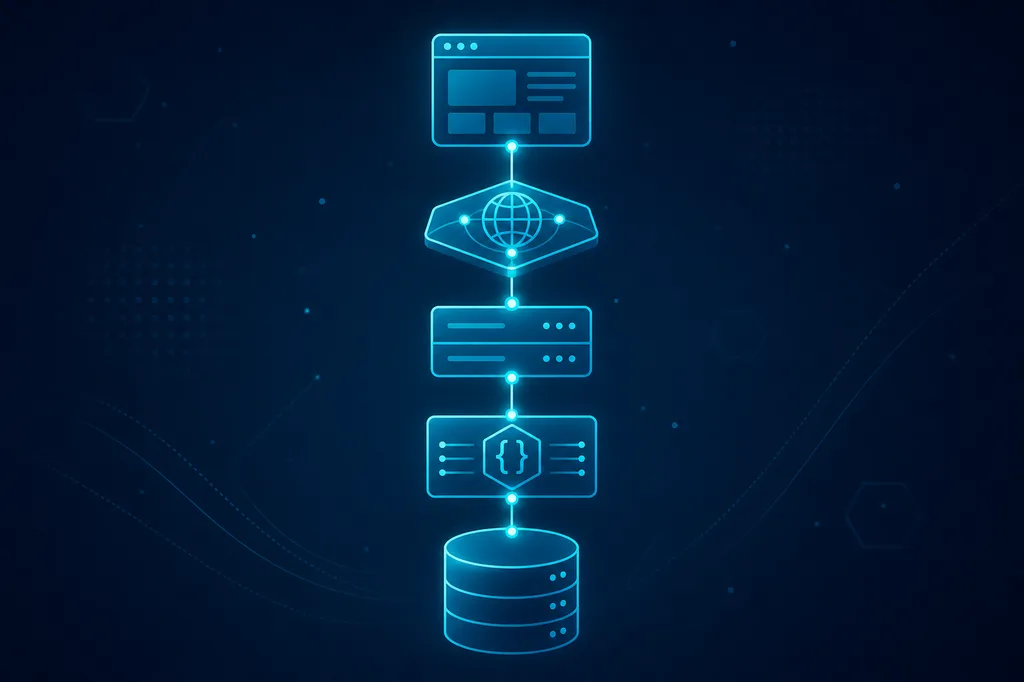
The full HTTP request journey — DNS, TLS, CDN, load balancer, Nginx, backend, Redis, queues, PostgreSQL, and back to the browser. A practical guide for developers and architects.
Eloquent abuse, missing indexes, cache, code structure, and client communication — what actually slows Laravel apps down.

runc, gVisor, Kata, Firecracker, and WASM on one Go service — cold start, memory, and threat-model fit.

async fn becomes a state machine everywhere — but Rust puts it on the stack while CPython puts it on the heap. Memory benchmarks and practice.
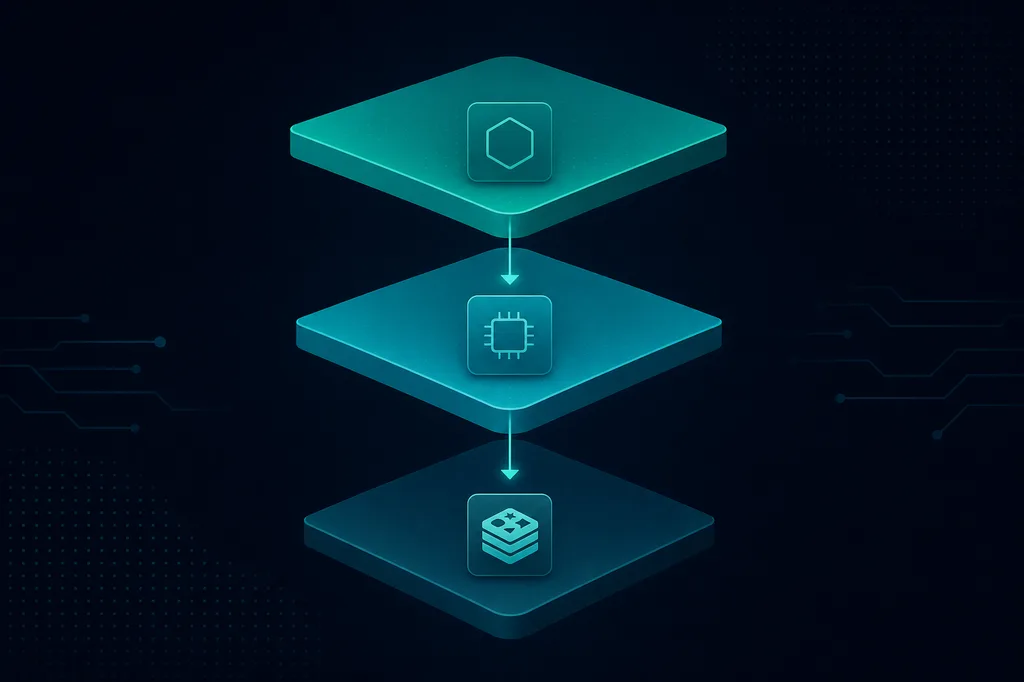
L1 + Redis, single-flight, and graceful degradation — layercache benchmarks against thundering herds.

From server-side rendering in 2005 to AI apps and edge computing: how web architectures changed, why past choices were not mistakes, and how to pick an approach in 2026.

Head-to-head on schema and instruction tasks: DeepSeek 38–33, one regex vs split patterns, fewer unsolicited extras.
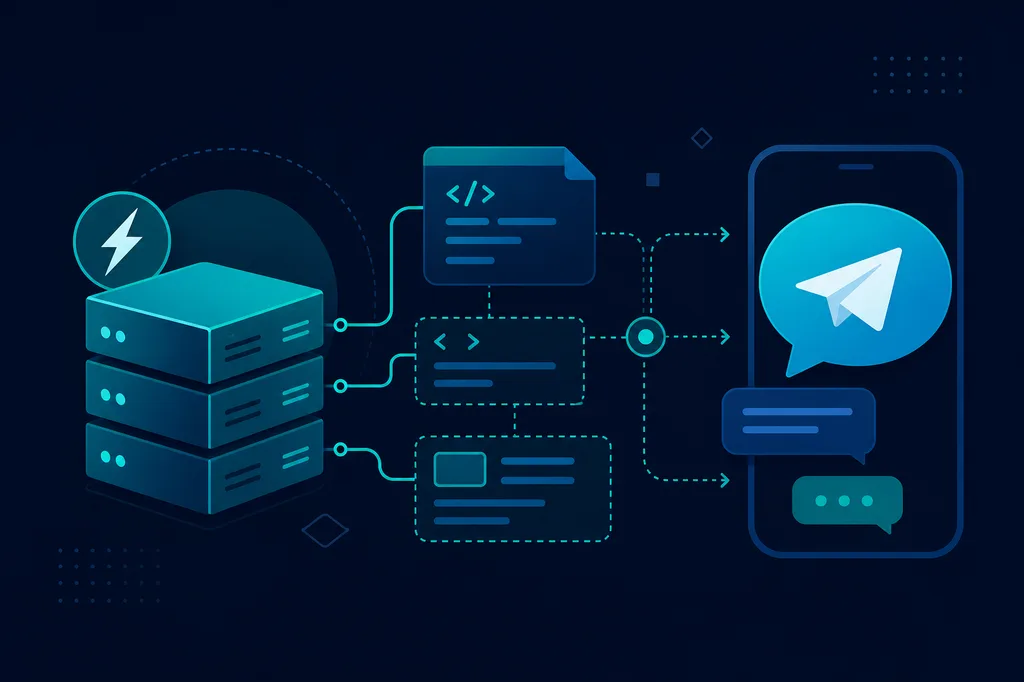
getdoday.ru: ~76k lines without React, themeParams and bot DNS pitfalls, Telegram Stars billing with entitlements.
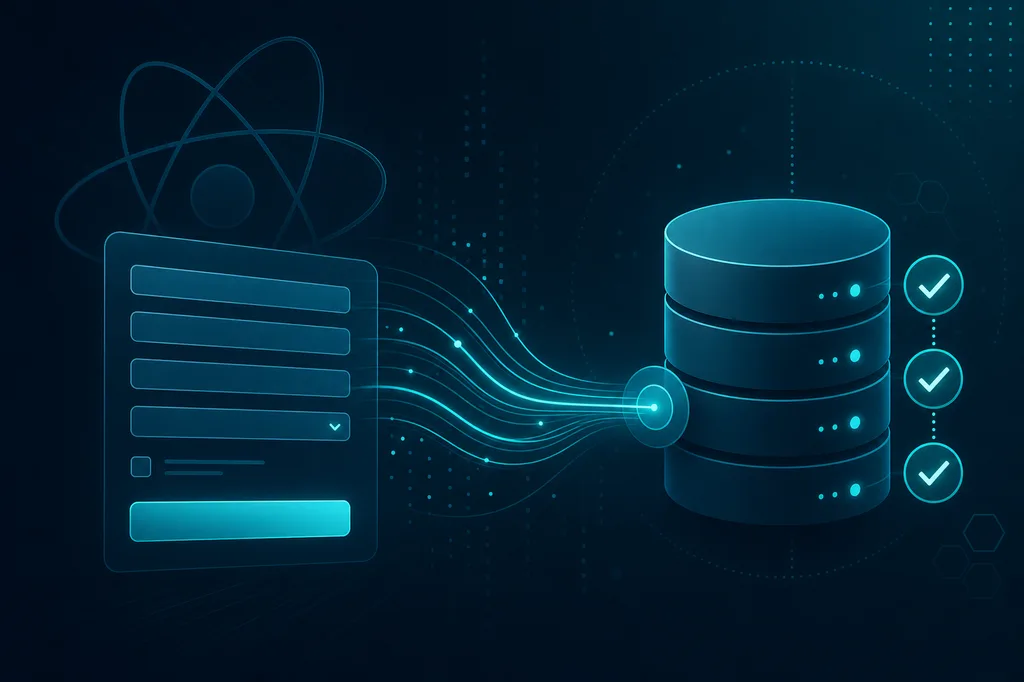
useActionState + Pydantic: one schema, field-level errors, built-in isPending — roughly half the form code.
Google Genkit for Go—structured outputs, multi-step flows, tools, observability, and model swaps without rewriting your logic.
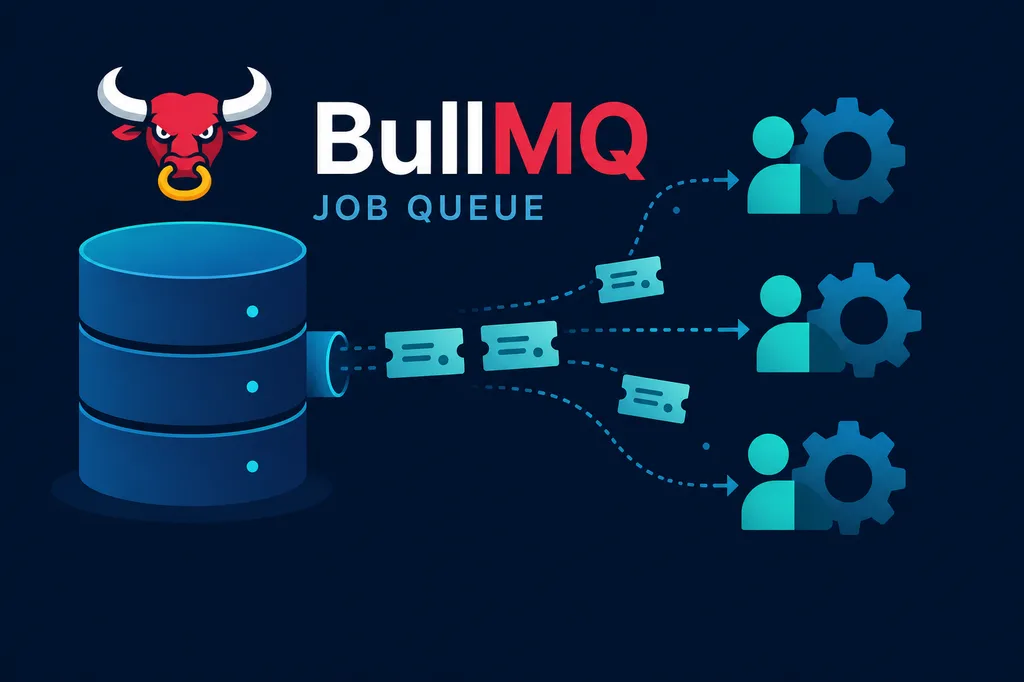
Sync conversion in HTTP vs a Redis queue: p95 dropped from 800ms to 3.8ms, throughput rose 4.8×—plus the complexity trade-off.
Profiling, indexes, ORM refactors, materialized views, connection pooling, and cache — a practical PostgreSQL and MySQL guide.
Concatenation, template literals, and innocent-looking sql variables — why reviews miss them and how eslint-plugin-pg catches them statically.
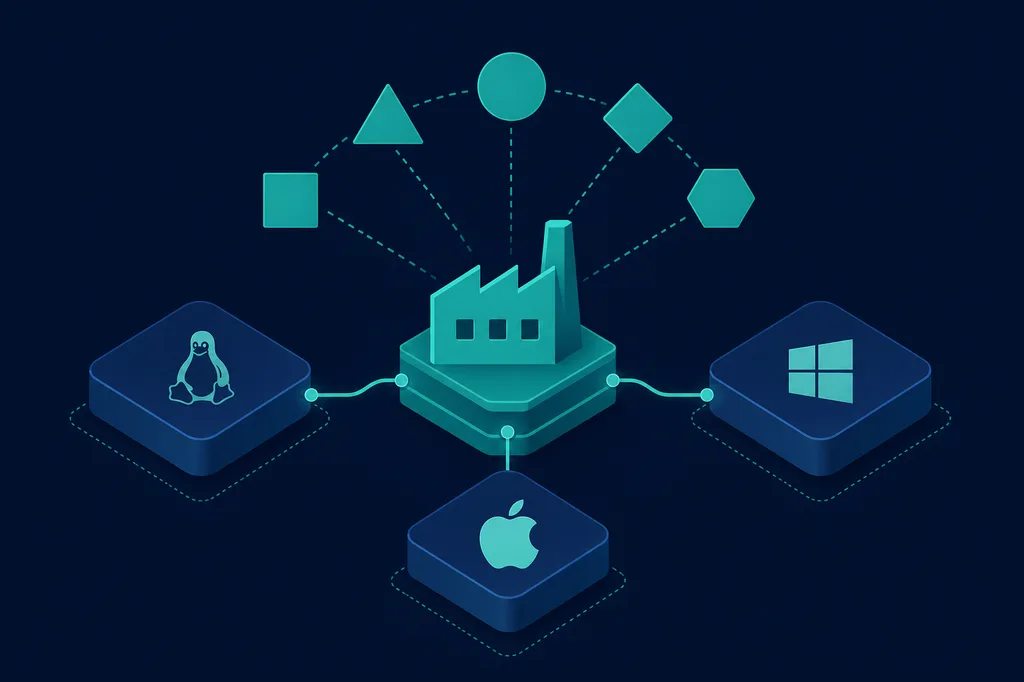
EADDRINUSE on Windows, macOS, and Linux without OS if/else chains. Strategy, Factory, TypeScript contracts, and shell-injection-safe runners.
Dev.to benchmark: ~0.9s vs ~3.2s p99, order-of-magnitude API economics, and routing most traffic to a cheap model with premium fallback.
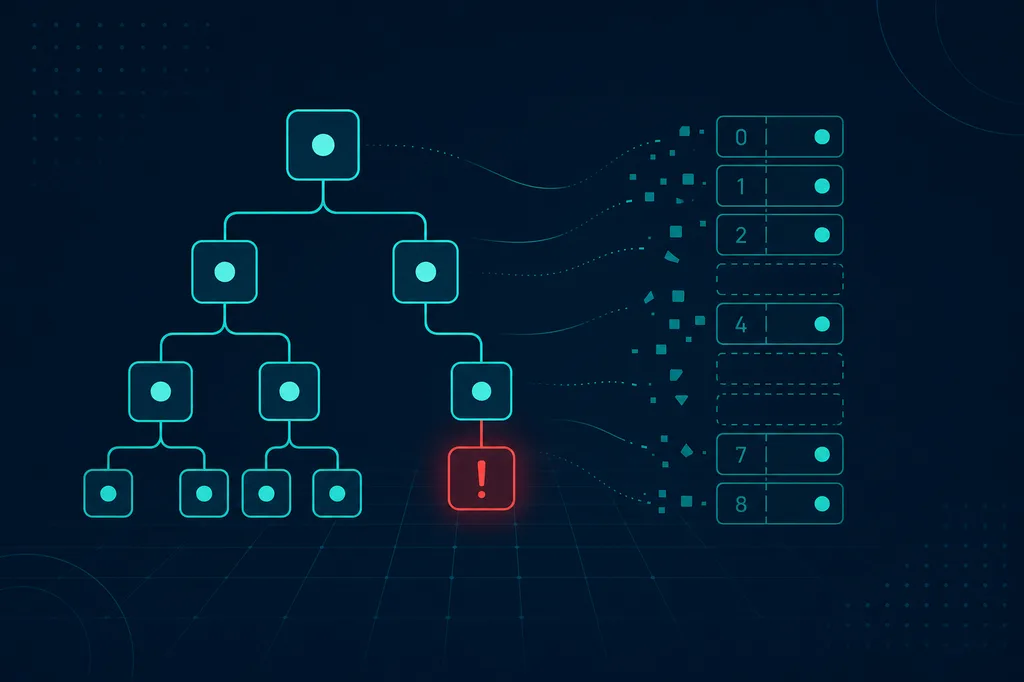
Deleting one RTDB log entry returned an object instead of an array — white screen and items.map is not a function. Client-side normalization fixes it.
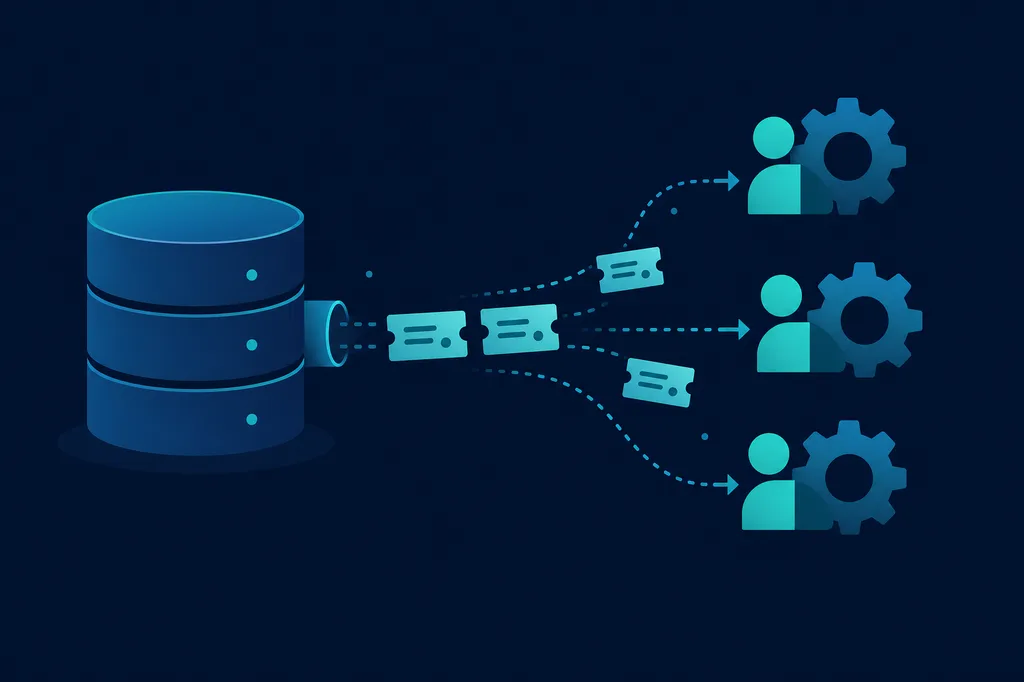
Jobs table, row locks, JSONB payloads, LISTEN/NOTIFY, and goroutine workers — no Redis if Postgres is already in your stack.

Natural language to SQL via LLM, in-process DuckDB, a three-stage pipeline, and read-only guardrails for safe analytics.

DBOS and Obelisk: local SQLite plus Litestream to S3 for workflow state; Postgres when you need HA and shared scale.

A huge model-written PR, CLAs, and maintainer burnout — not «anti-AI», but review process for critical infrastructure.
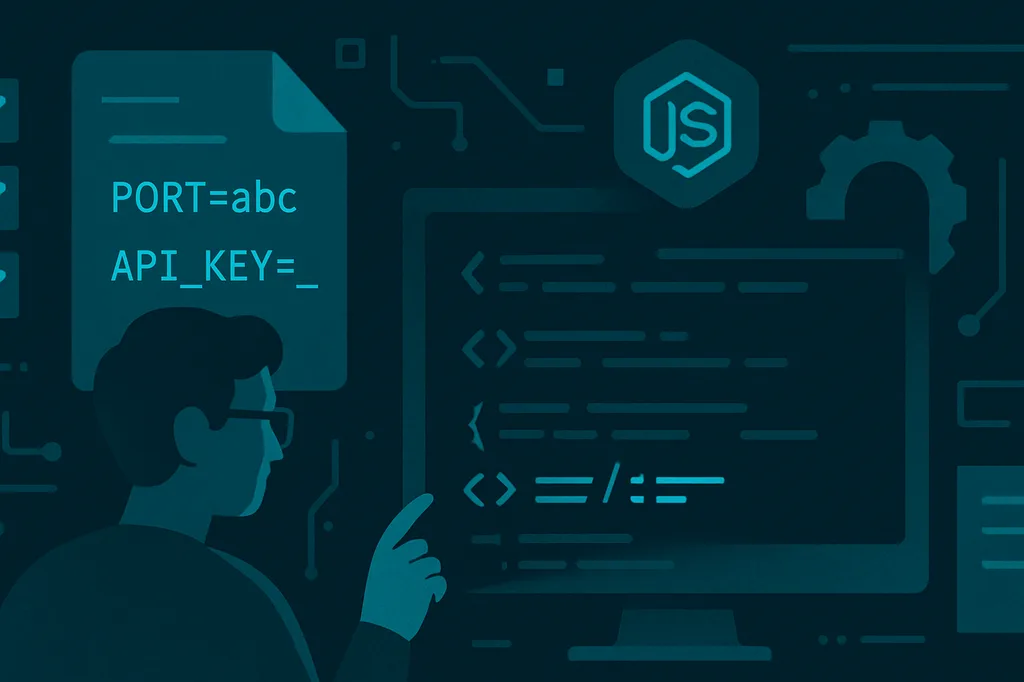
A schema for .env, CI checks, and generated types — catch PORT=abc and empty API_KEY before deploy.

Whisper + LLM summary breaks in real practice: healthcare needs clinical reasoning engines and EMR integration, not plain text.
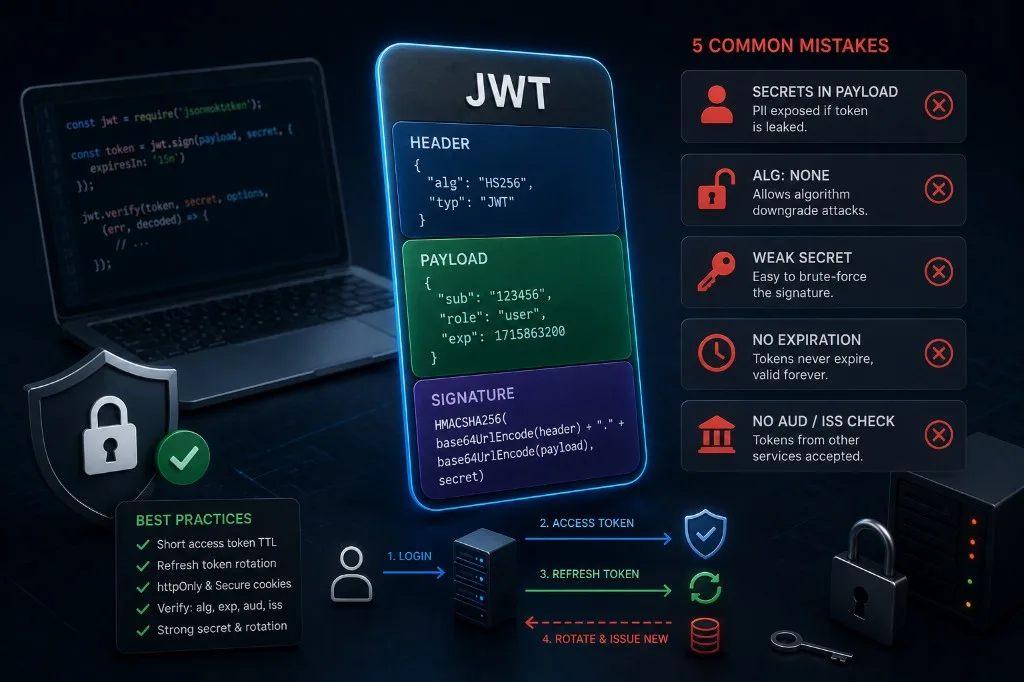
Base64 is not encryption, alg=none, weak secrets, and refresh without rotation — a pre-production checklist for JWT auth.
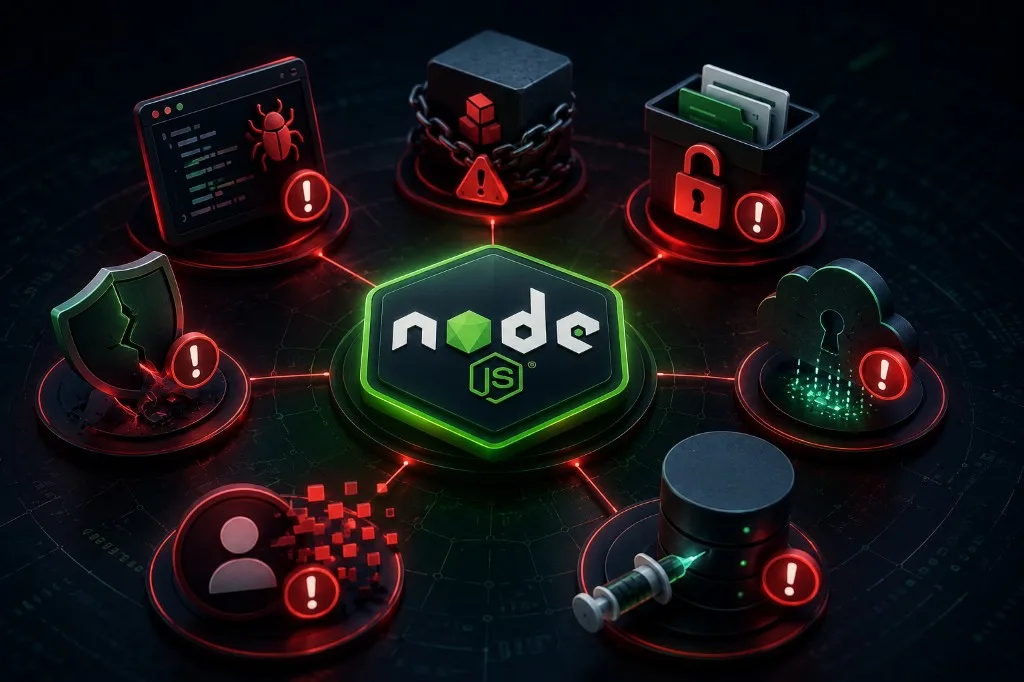
ReDoS, npm supply chain, prototype pollution, secrets in env, and NoSQL injection — a checklist teams often skip after a fast deploy.
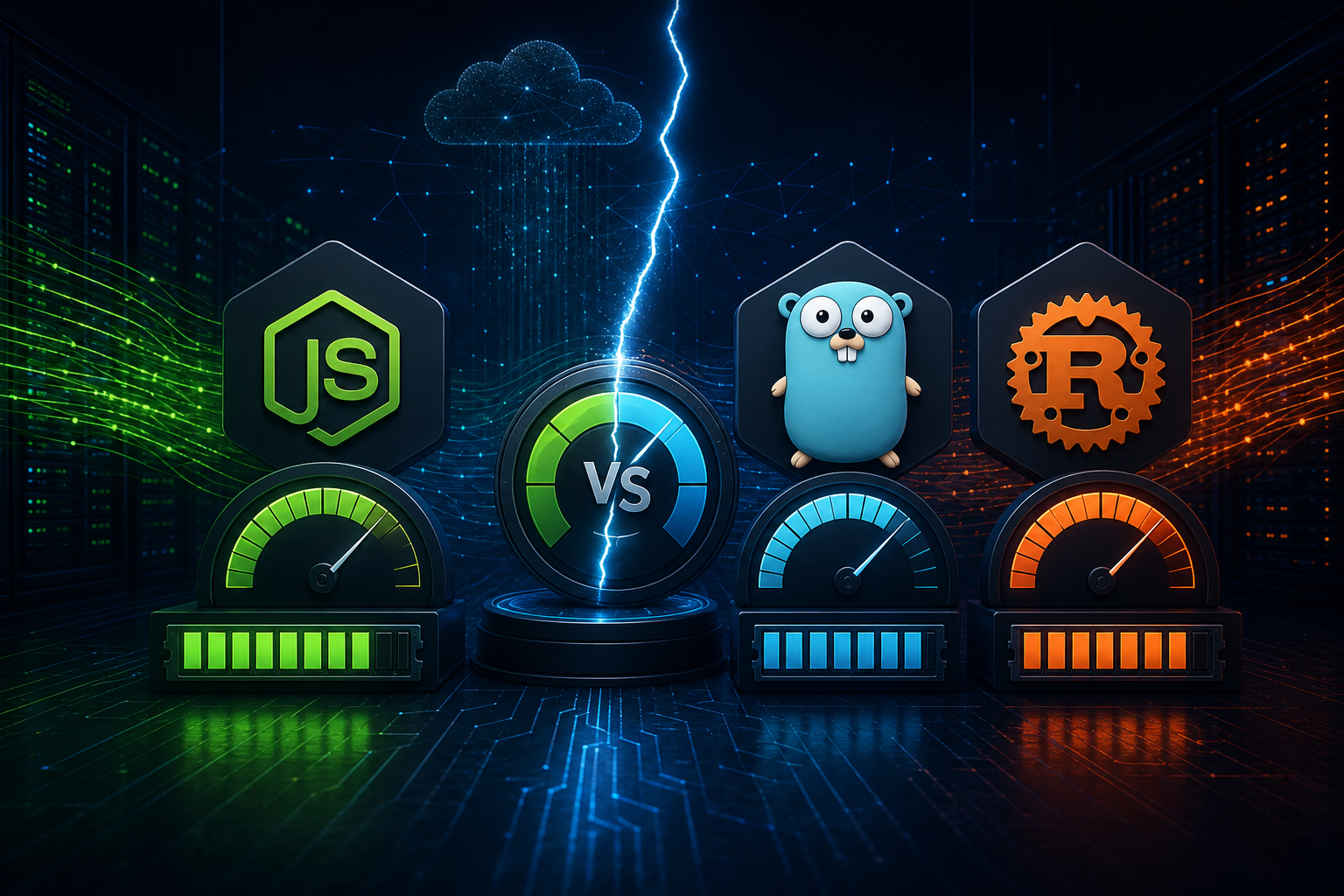
Node.js vs Go/Rust throughput and memory, npm risk, and when a single language stack still wins.