
How LLMs Find Knowledge: From Tokens and Transformers to RAG
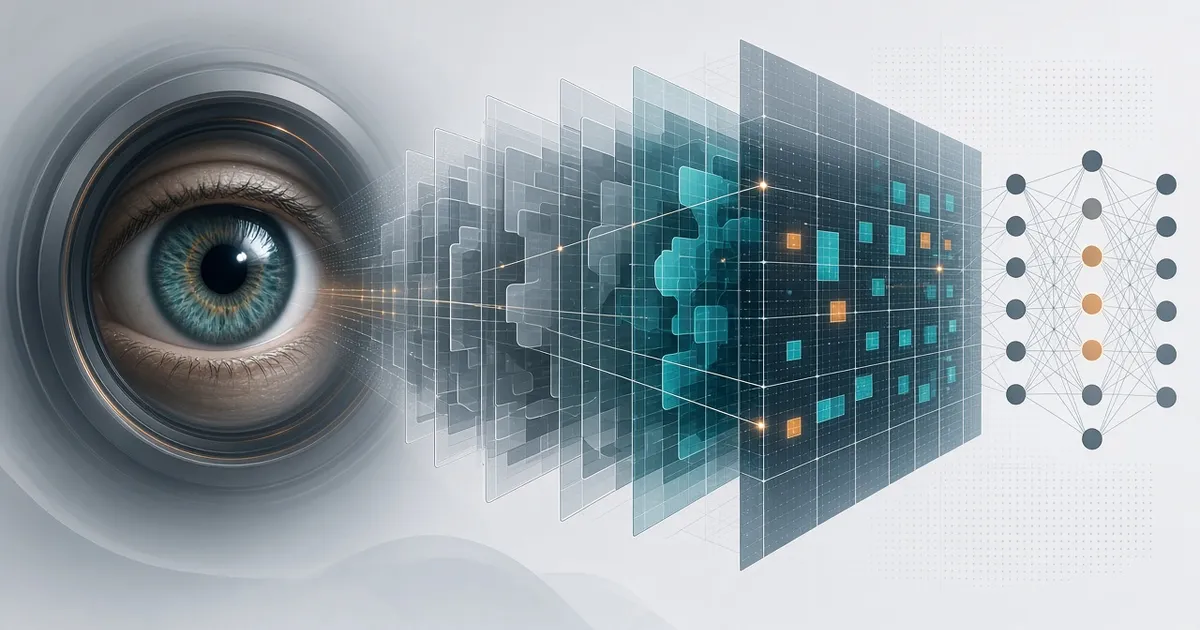
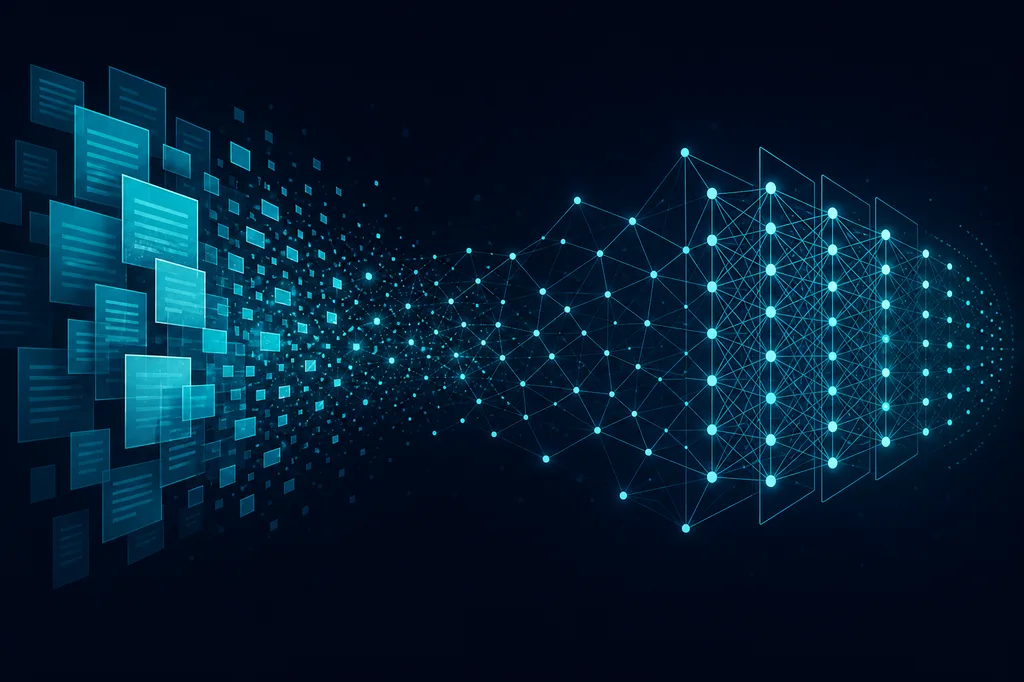
How text becomes tokens and vectors, what a Transformer actually does, why training is not RAG, and how to grow a Markdown knowledge base into retrieval.
Developer news without the noise — My Dev News in Telegram.

Tag
All blog posts with this tag.

How text becomes tokens and vectors, what a Transformer actually does, why training is not RAG, and how to grow a Markdown knowledge base into retrieval.

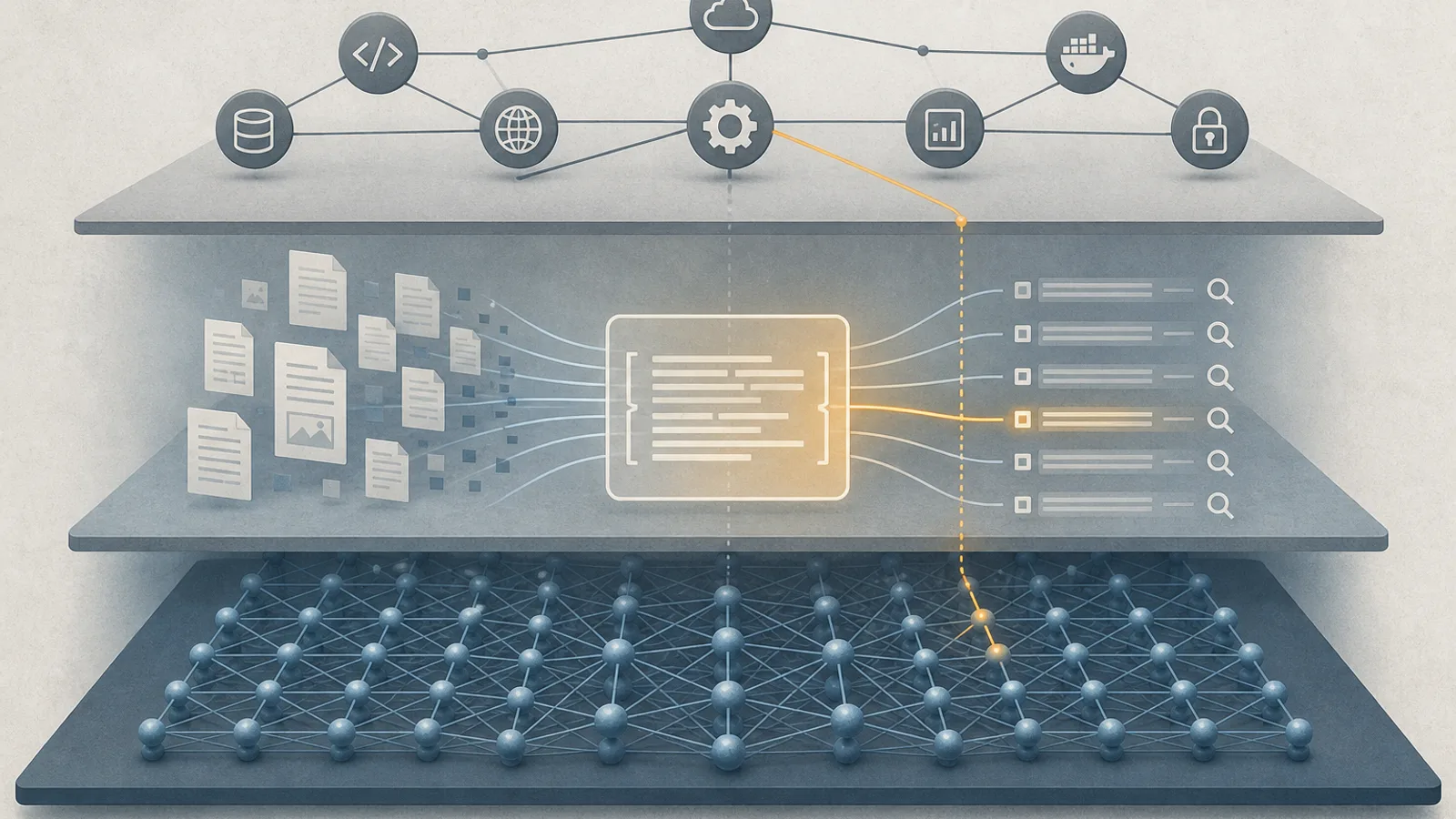
A practical map of LLM adaptation: what changes model weights, what plugs in knowledge and tools, and how to choose an approach without “fine-tuning on PDFs.”

A realistic Go growth map: the Junior foundation, Middle-level idioms and production work, then Senior architecture and responsibility—without needless frameworks or checklist theater.

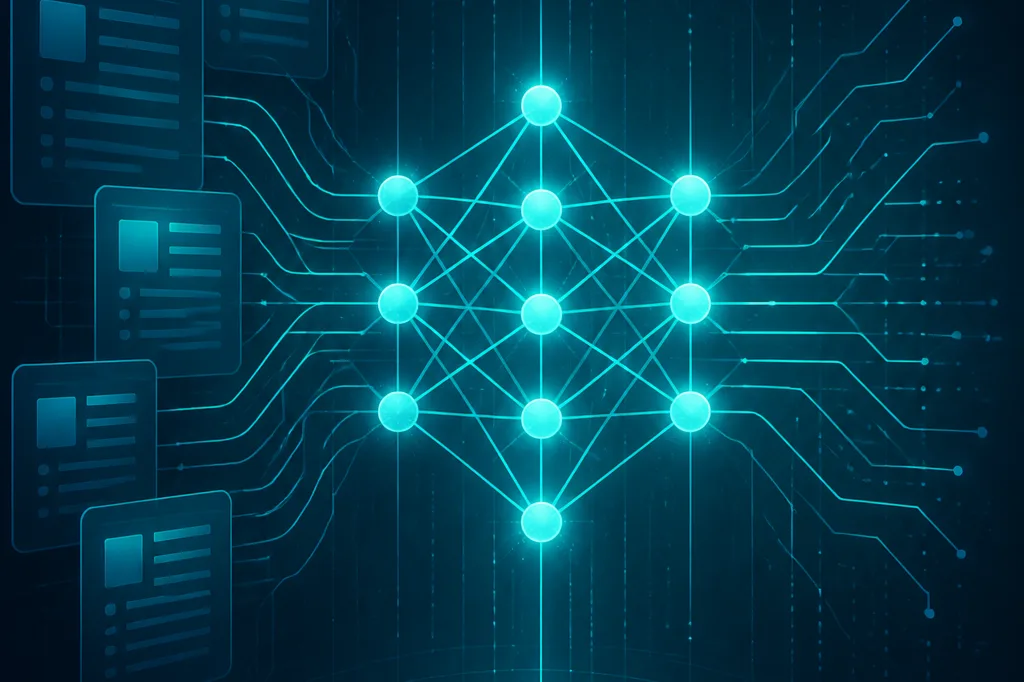
A developer built a compact PyTorch transformer from scratch, trained it for recipes, and runs it on CPU without external APIs.

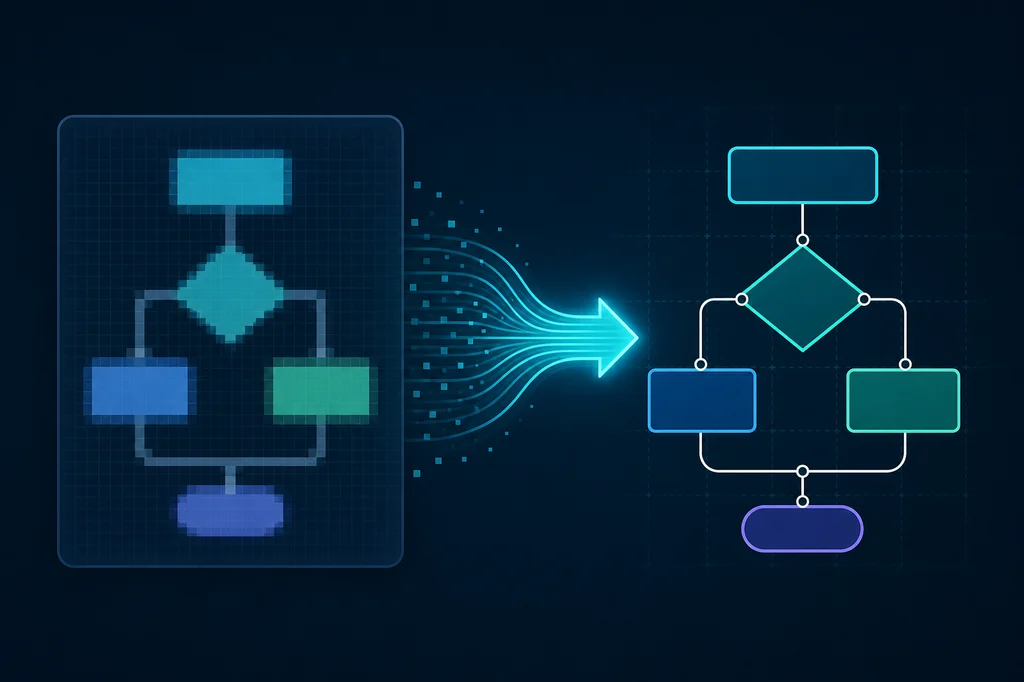
Flowcharts, UML, BPMN, network topologies, and CAD drawings: why PNG ≠ diagram, what OCR, vectorization, CAD, computer vision, and VLMs deliver in 2025–2026, and which pipeline actually works.

History of Go, simplicity philosophy, goroutines, cloud-native ecosystem, and comparison with Java, Node.js, Python, and Rust for backend engineers.

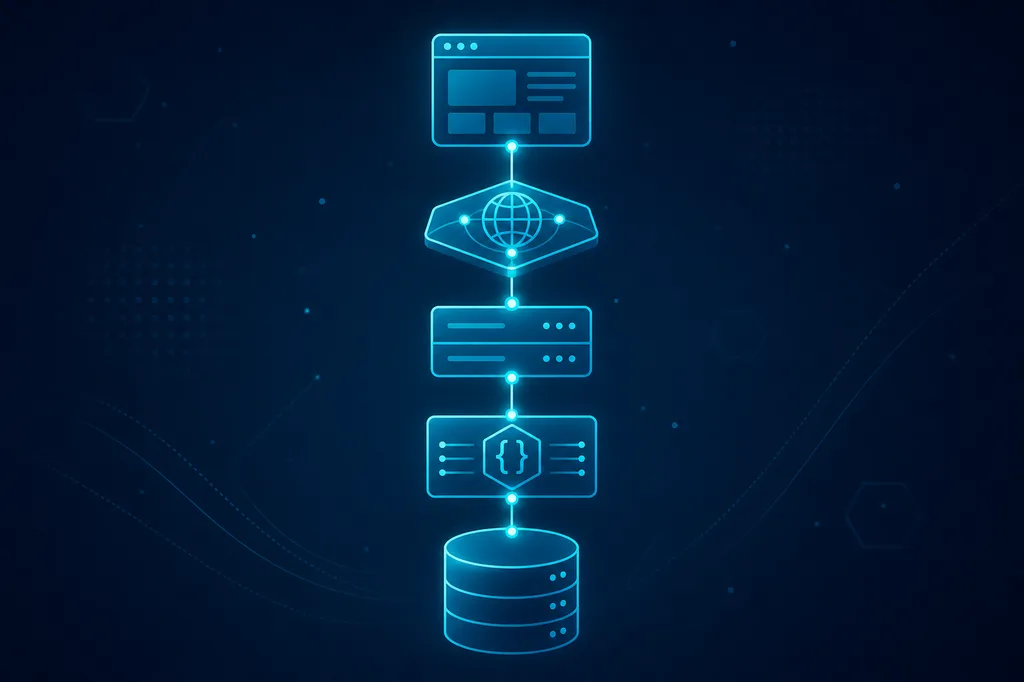
The full HTTP request journey — DNS, TLS, CDN, load balancer, Nginx, backend, Redis, queues, PostgreSQL, and back to the browser. A practical guide for developers and architects.

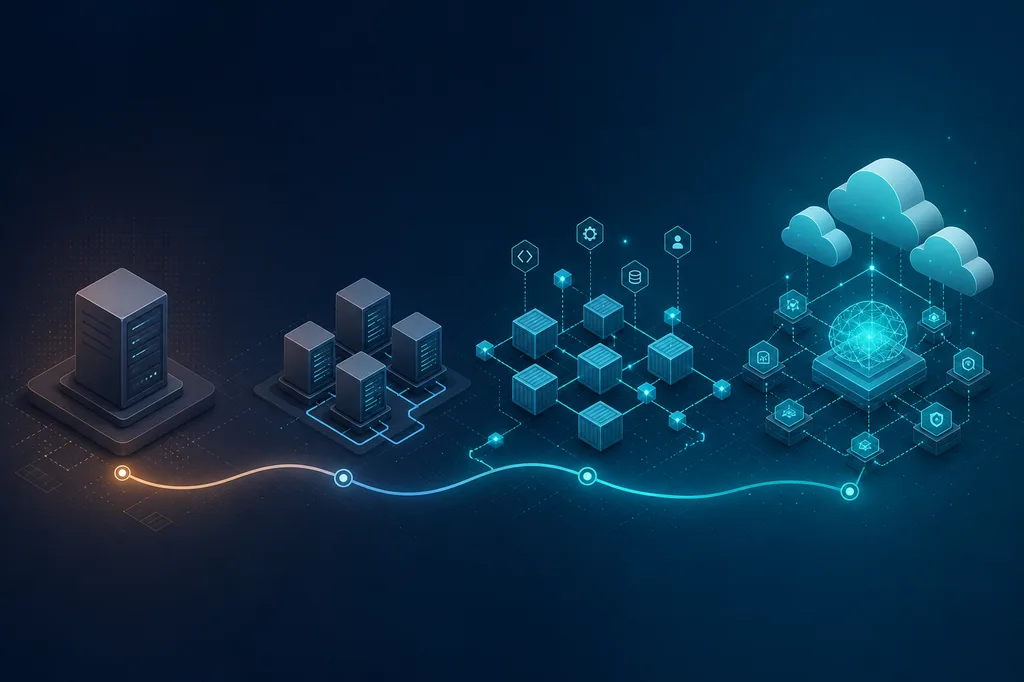
From server-side rendering in 2005 to AI apps and edge computing: how web architectures changed, why past choices were not mistakes, and how to pick an approach in 2026.

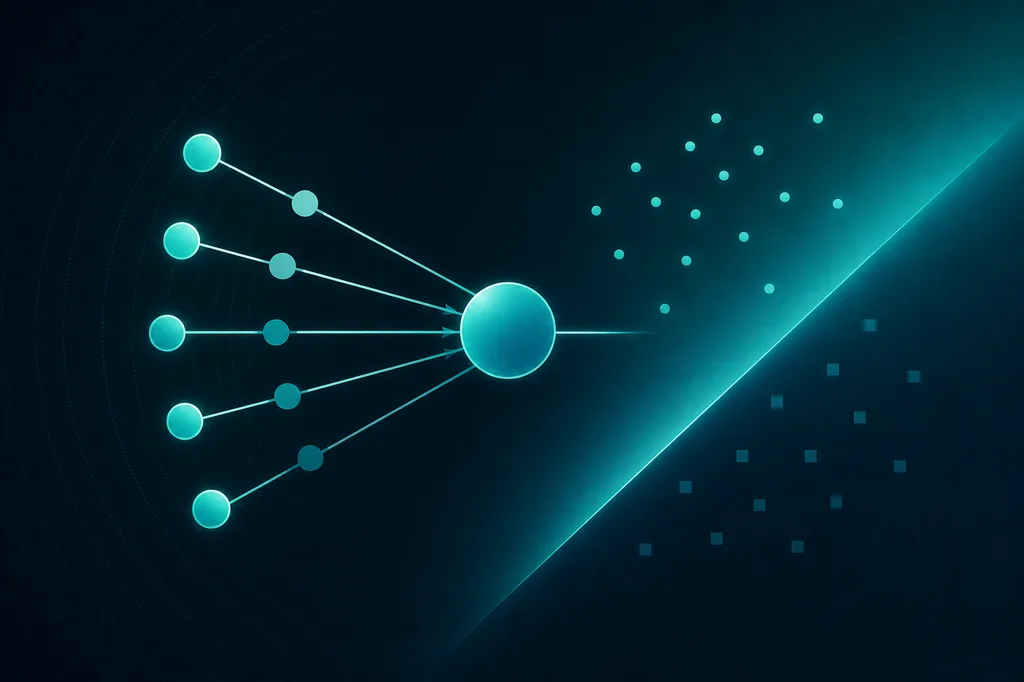
One input, weight and bias, training epochs, and a linear decision boundary — neural network fundamentals without frameworks.

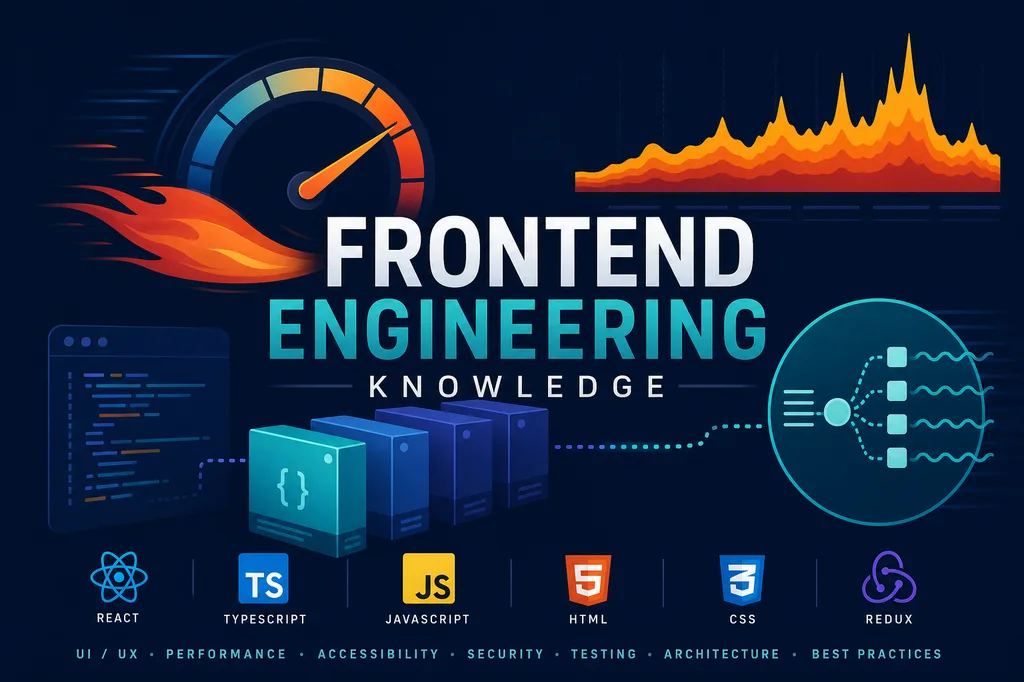
Rendering, networks, component architecture, and Core Web Vitals—what button tutorials skip and production demands.

Speed, first impressions in ~50 ms, cost of fixes before launch — numbers from Smashing Magazine for talking to stakeholders.