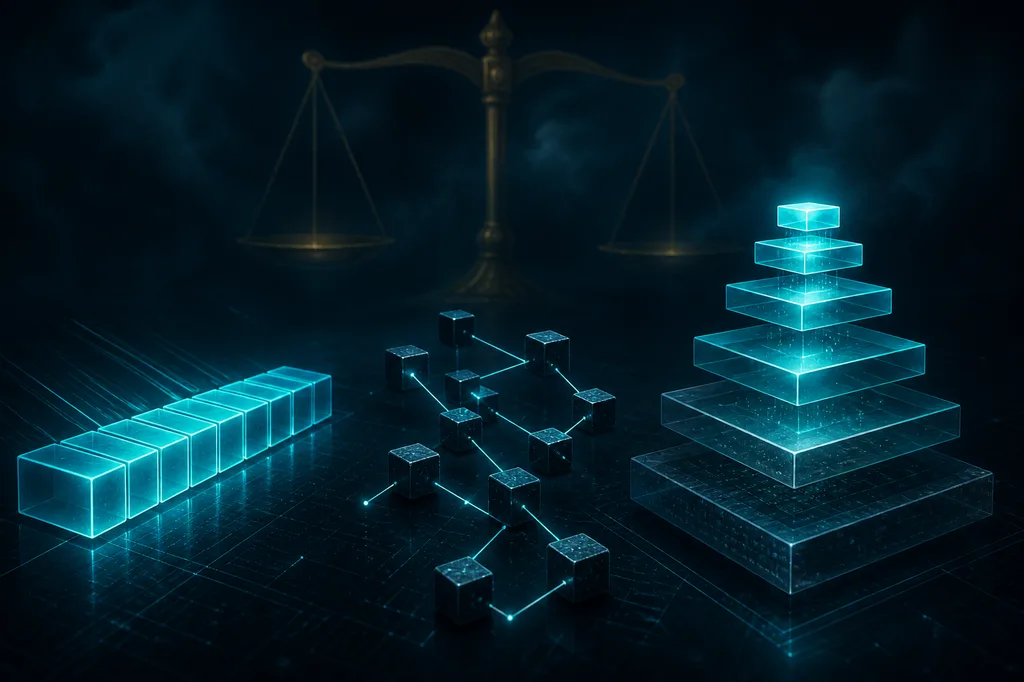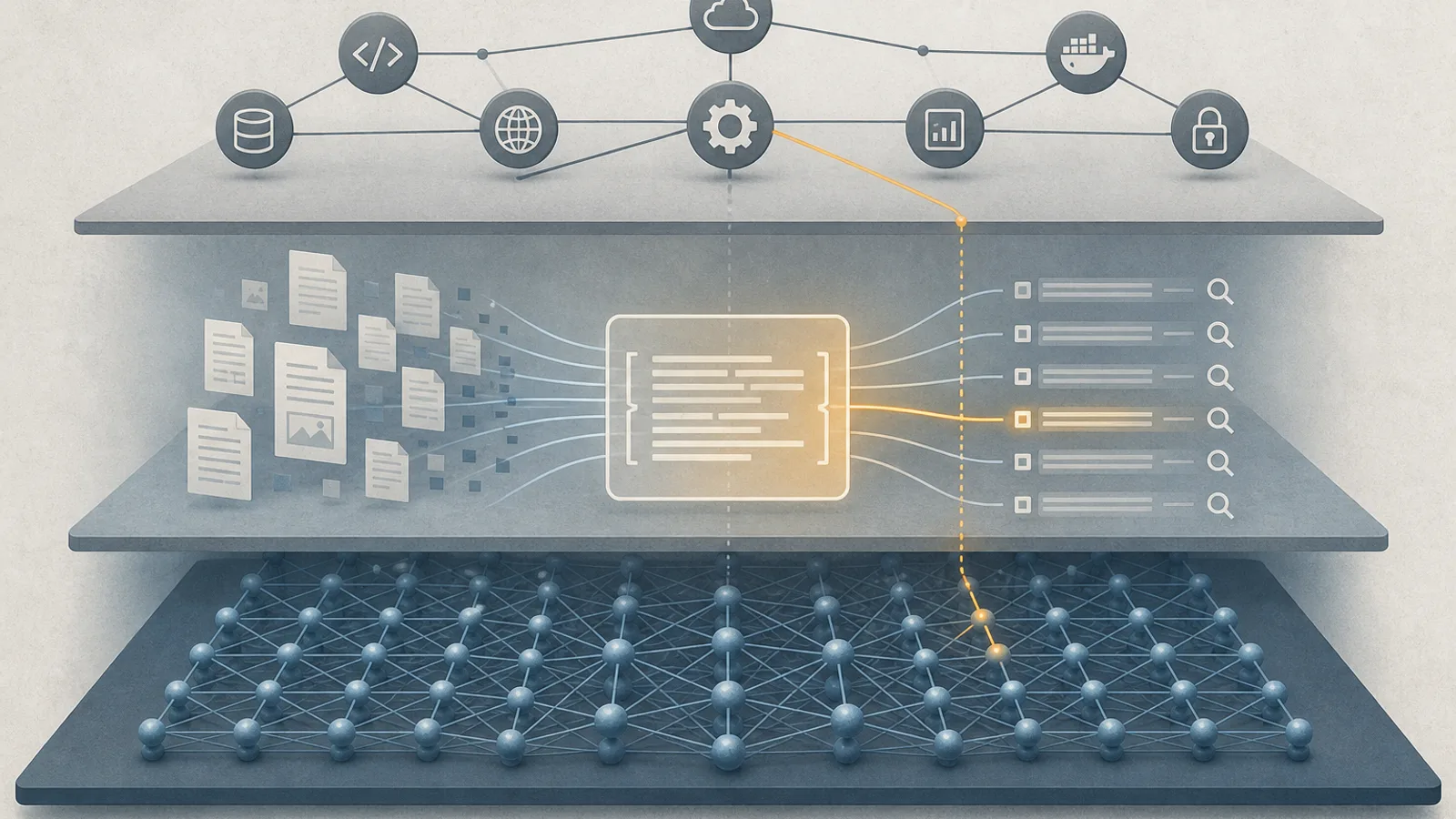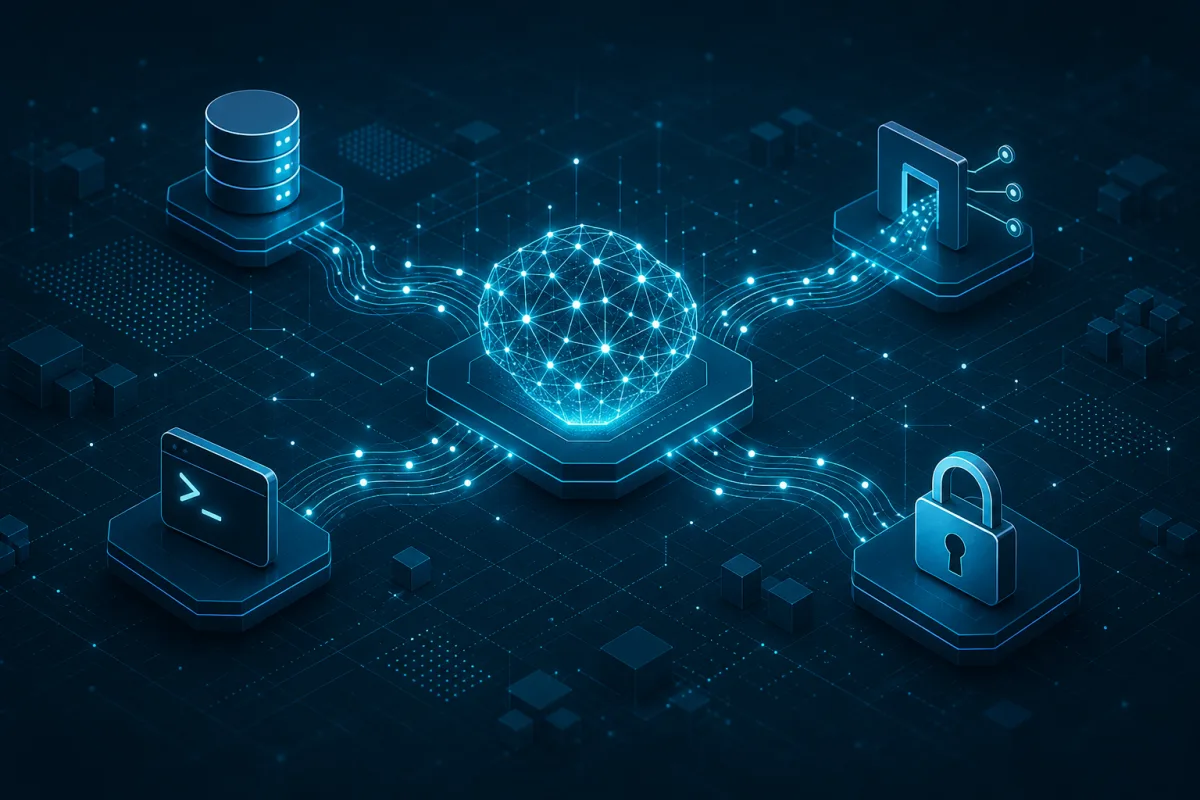

Enterprise RAG Architecture: From Search to a Knowledge Platform
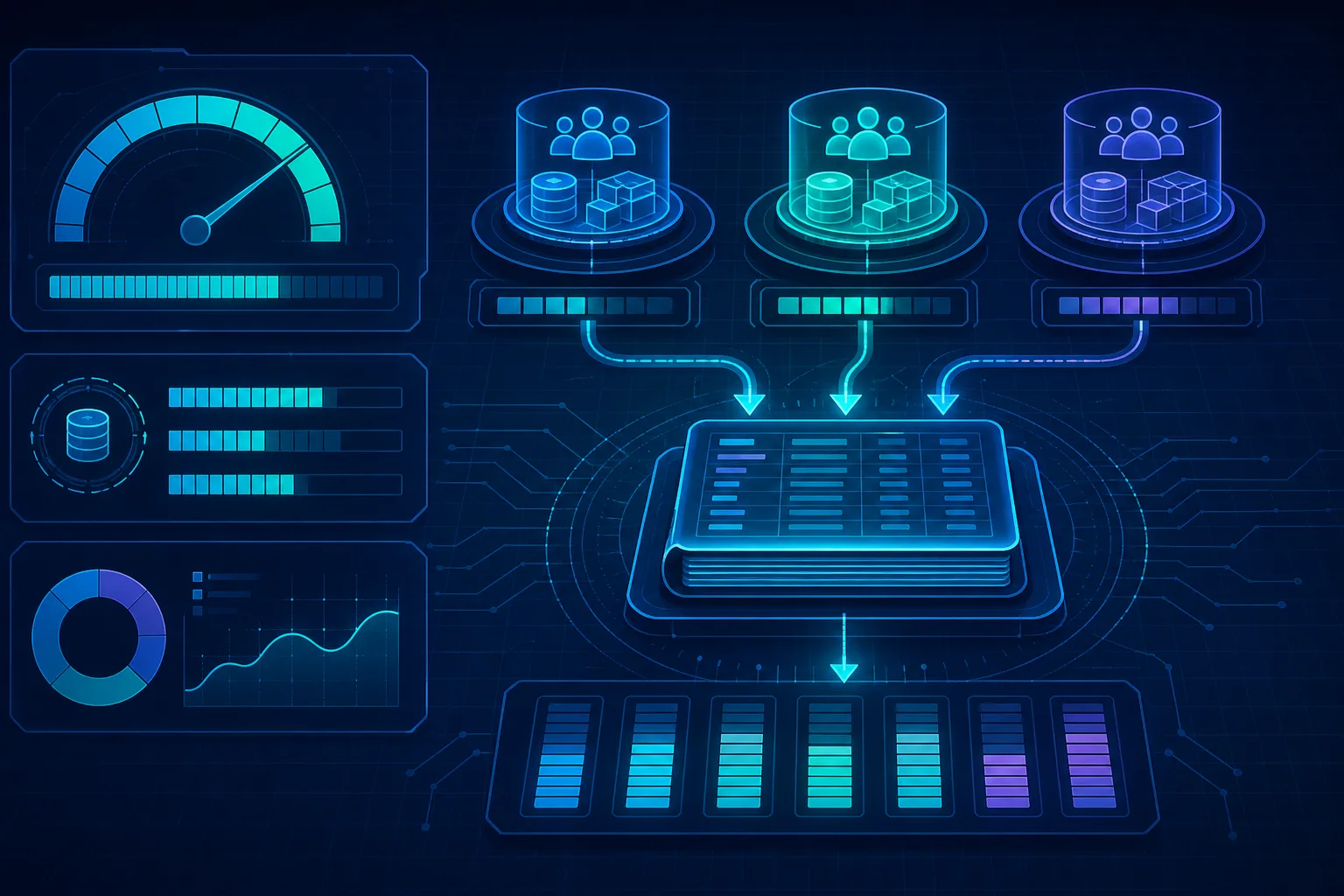
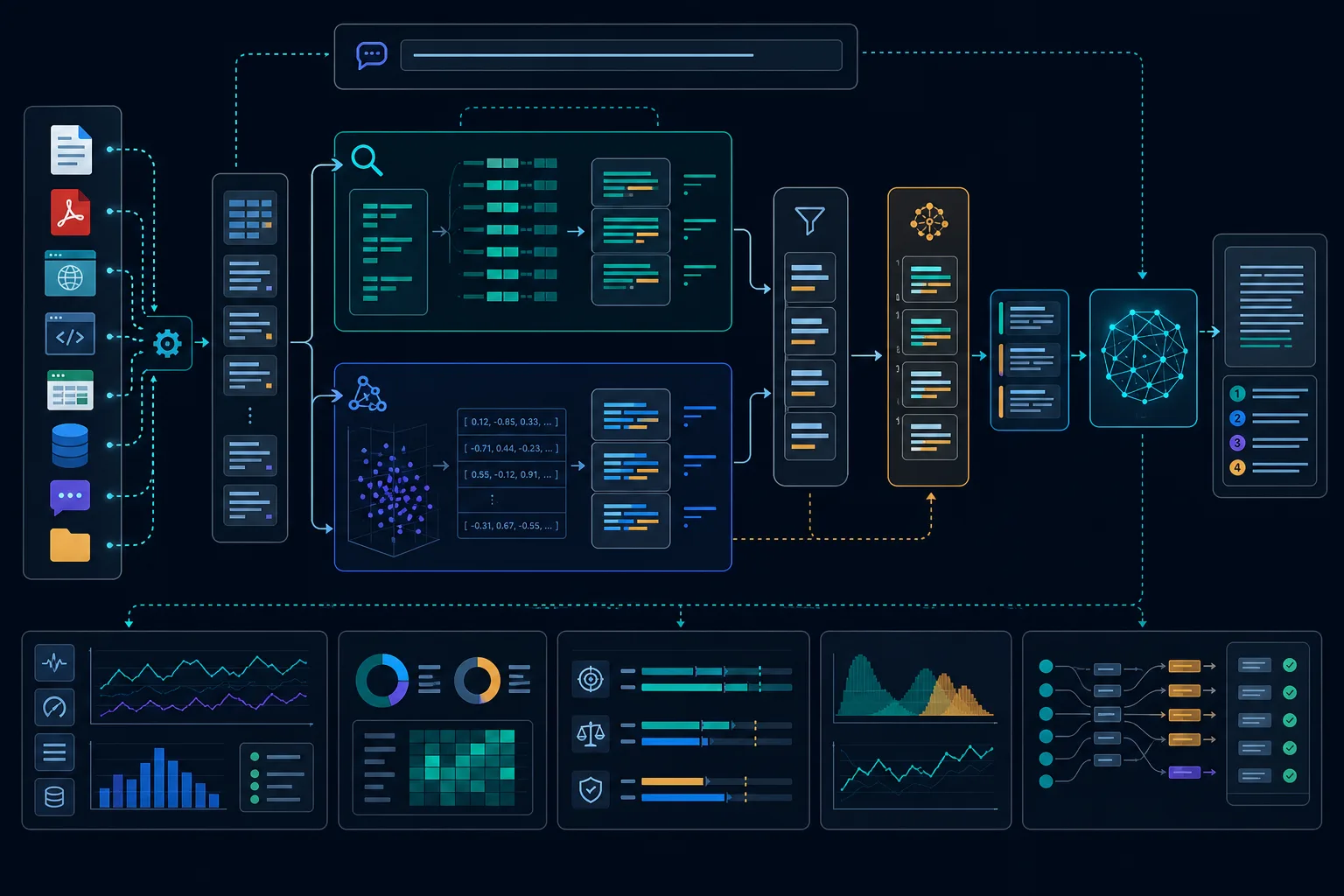
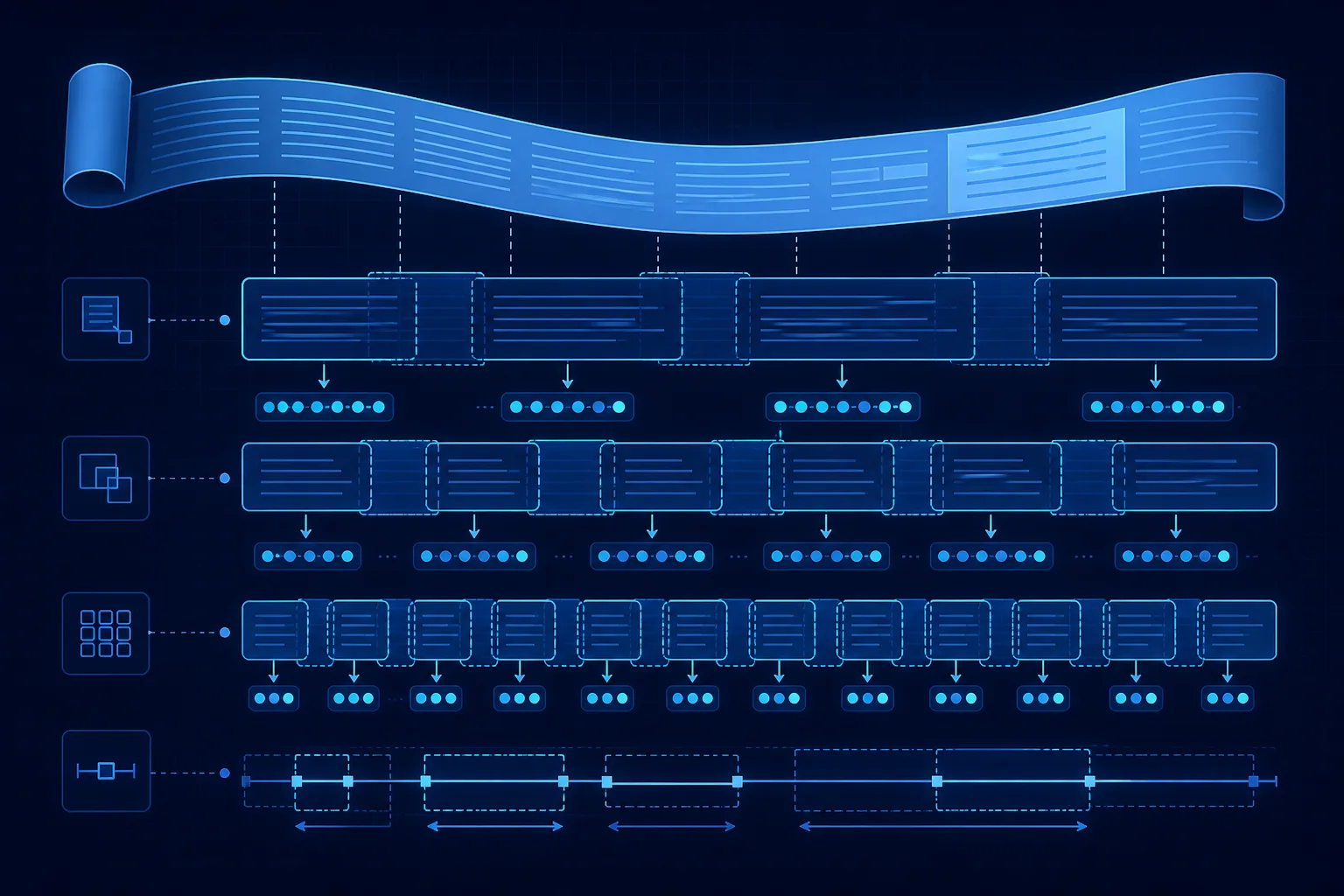
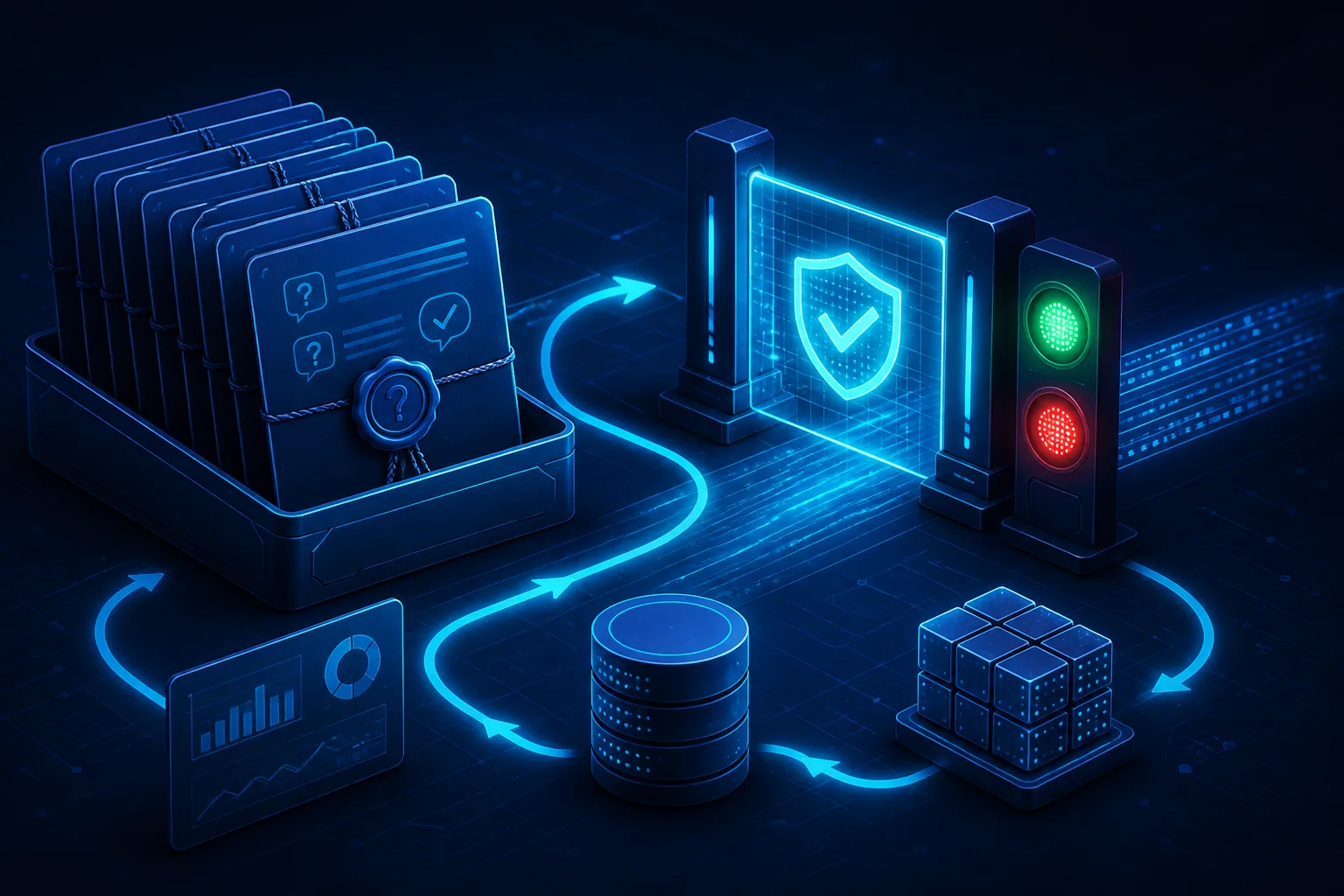
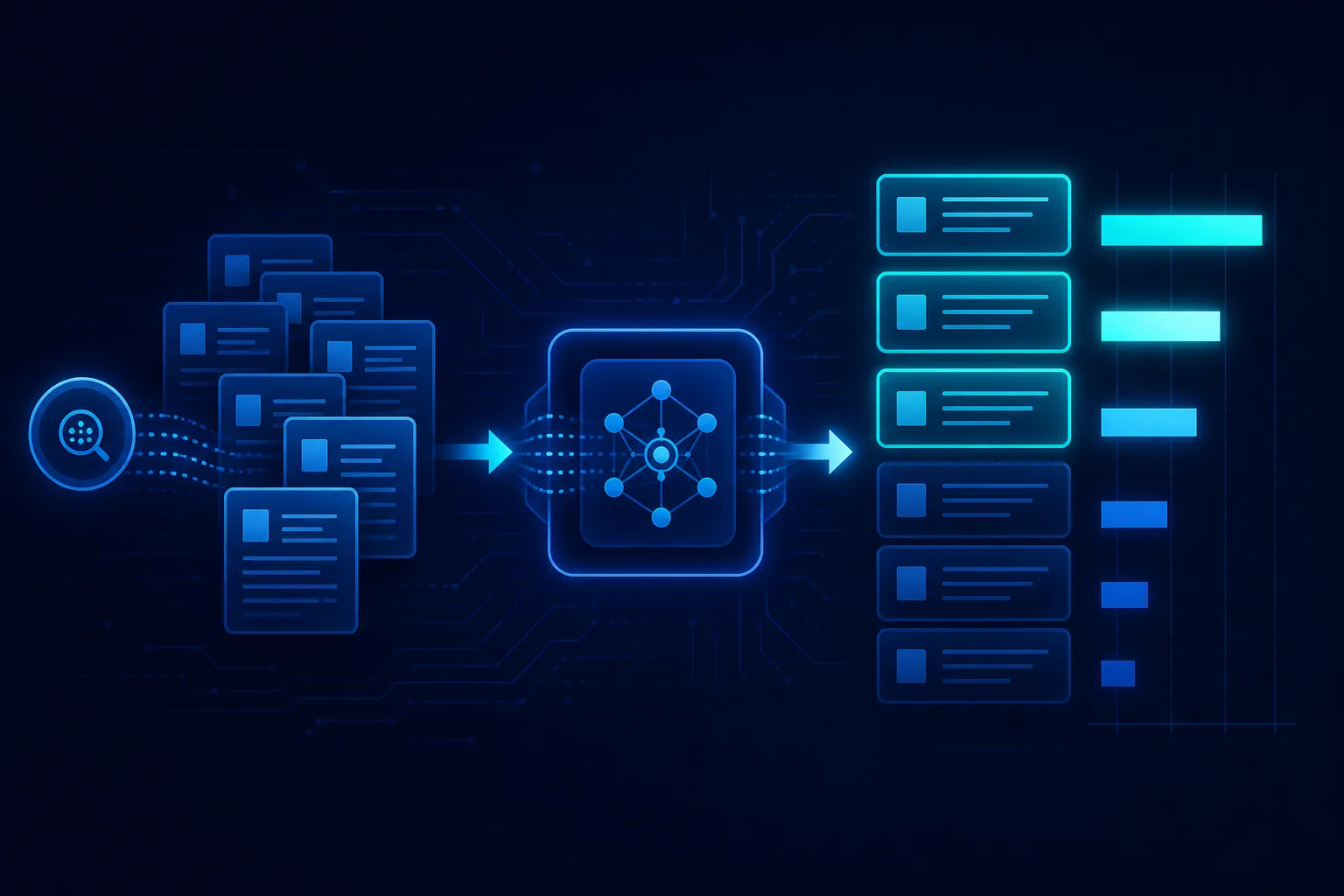
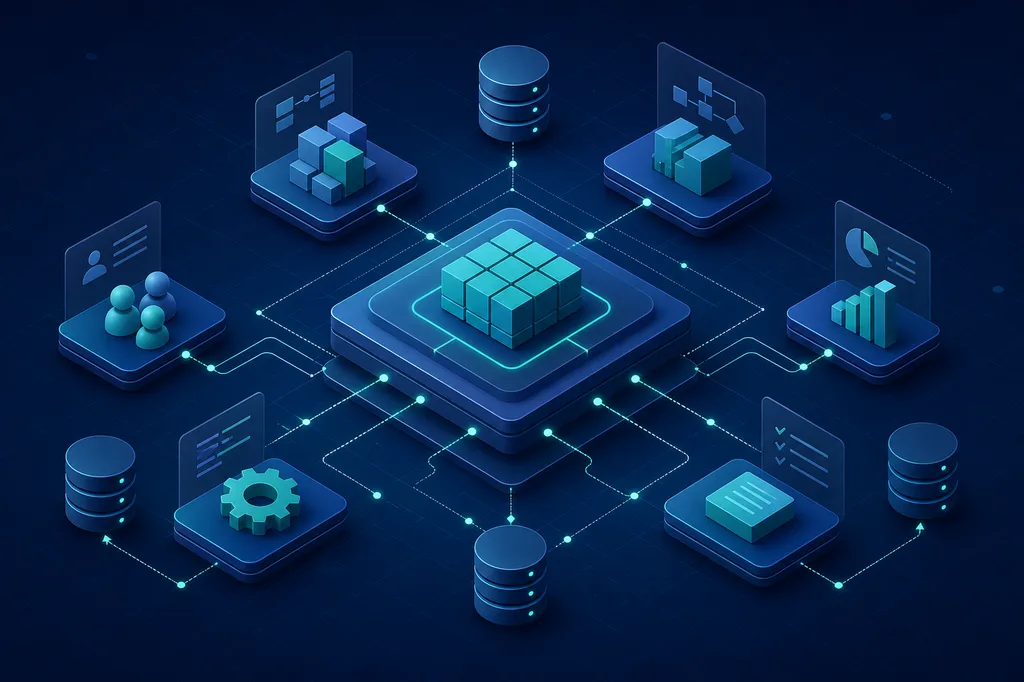
How to design scalable RAG for many data sources, millions of documents, and access-controlled enterprise knowledge.

Tag
All blog posts with this tag.

How to design scalable RAG for many data sources, millions of documents, and access-controlled enterprise knowledge.

How to design a scalable enterprise AI platform where knowledge, security, and integrations matter more than any individual model.

How interviews, process analysis, and knowledge discovery prepare an enterprise AI project for sound design.

Why an enterprise AI project starts with business needs, knowledge, and security—not with a model or server choice.

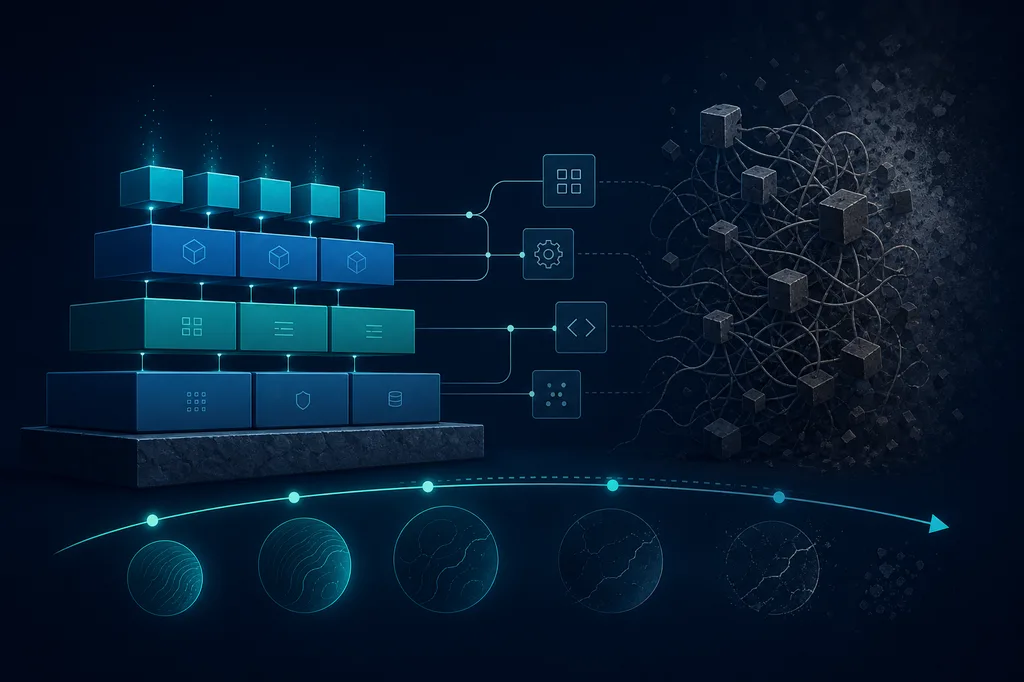
How to build an enterprise AI platform that can outlive changing models, vendors, and data formats.

AI already writes working functions, but a product is architecture, context, risk, and accountability. The boundary between code and engineering, a 15-year legacy case study, and developer skills in 2026.

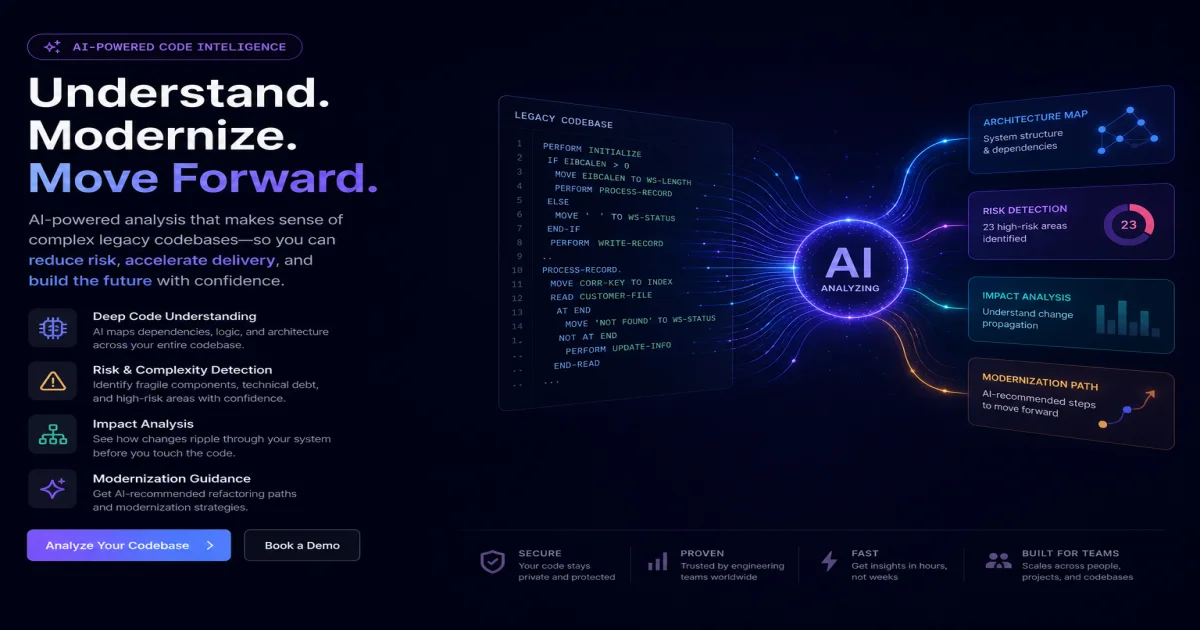
Millions of lines, hundreds of tables, dozens of integrations: what AI grasps in hours, where it fails, how teams deploy RAG and repo indexing, and why expert + model beats either alone.

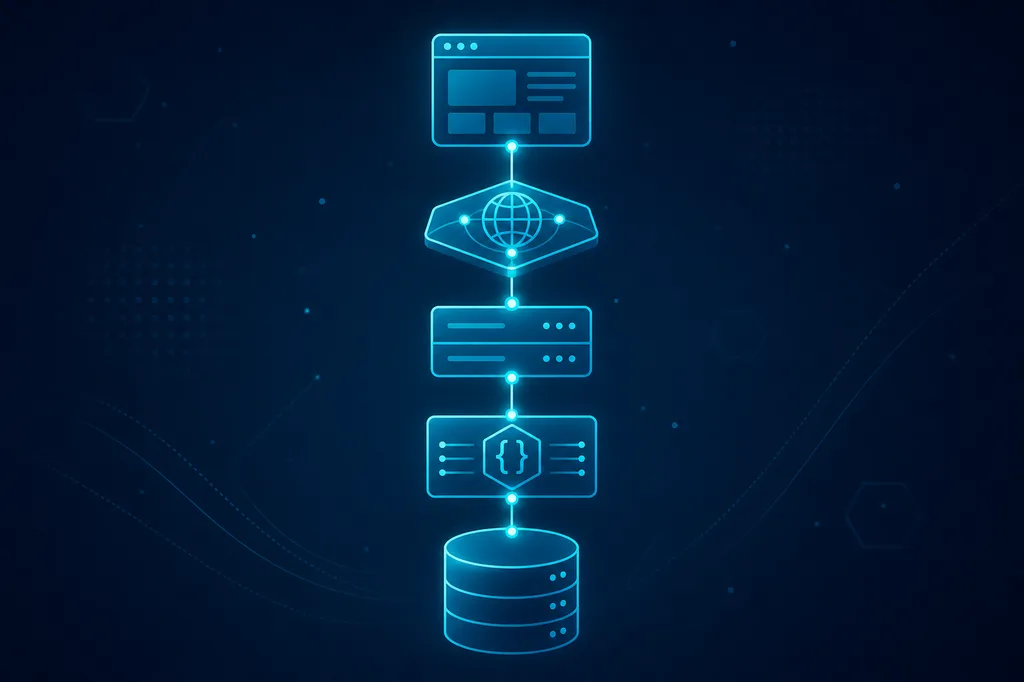
The full HTTP request journey — DNS, TLS, CDN, load balancer, Nginx, backend, Redis, queues, PostgreSQL, and back to the browser. A practical guide for developers and architects.

Metadata Driven Architecture, platform engines, frontend stack, and migration strategy — how to build an ERP that evolves for decades without a rewrite every five years.

Why systems die from early architectural decisions, not outdated tech — and how to design for change, not features: module boundaries, domain modeling, data, ADRs, and a decade-long checklist.

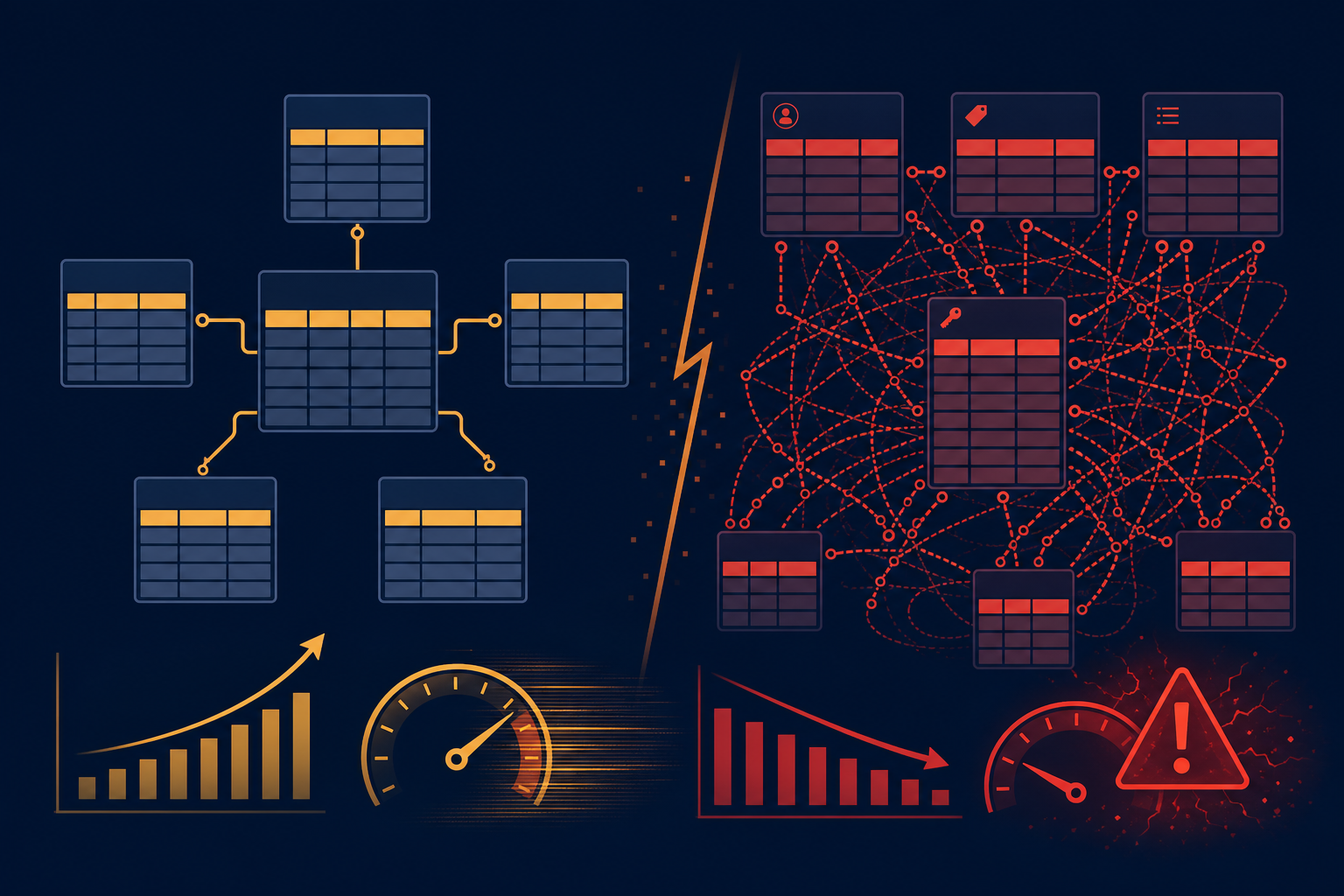
Entity–Attribute–Value looks perfect at the start: flexibility without migrations. Why JOINs, indexes, and reports break ERP years later — and where EAV fits, and where it does not.

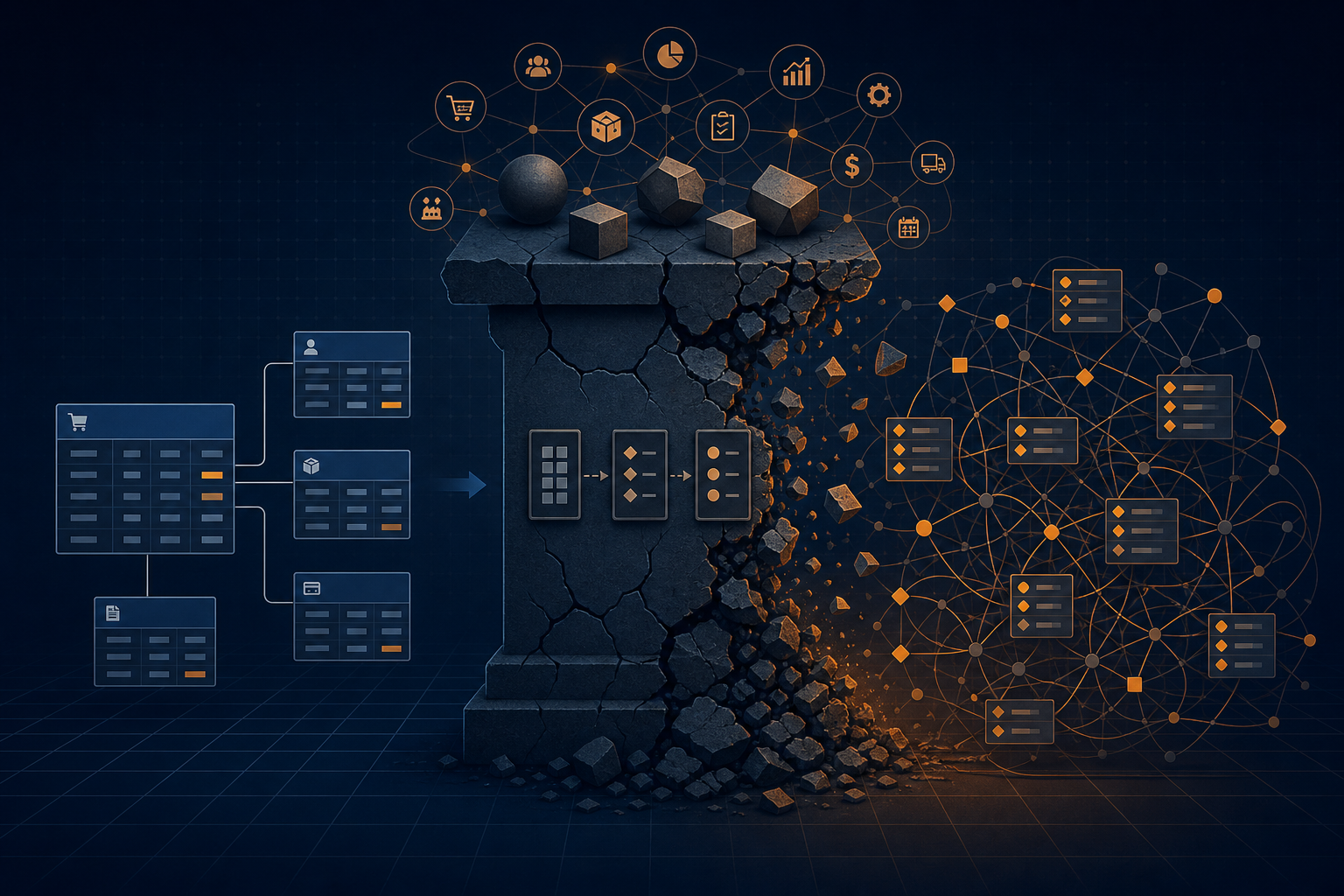
Why the illusion of universality turns ERP into an EAV monster: lost performance, typing, and business meaning — and how to build around the domain, not abstract entities.

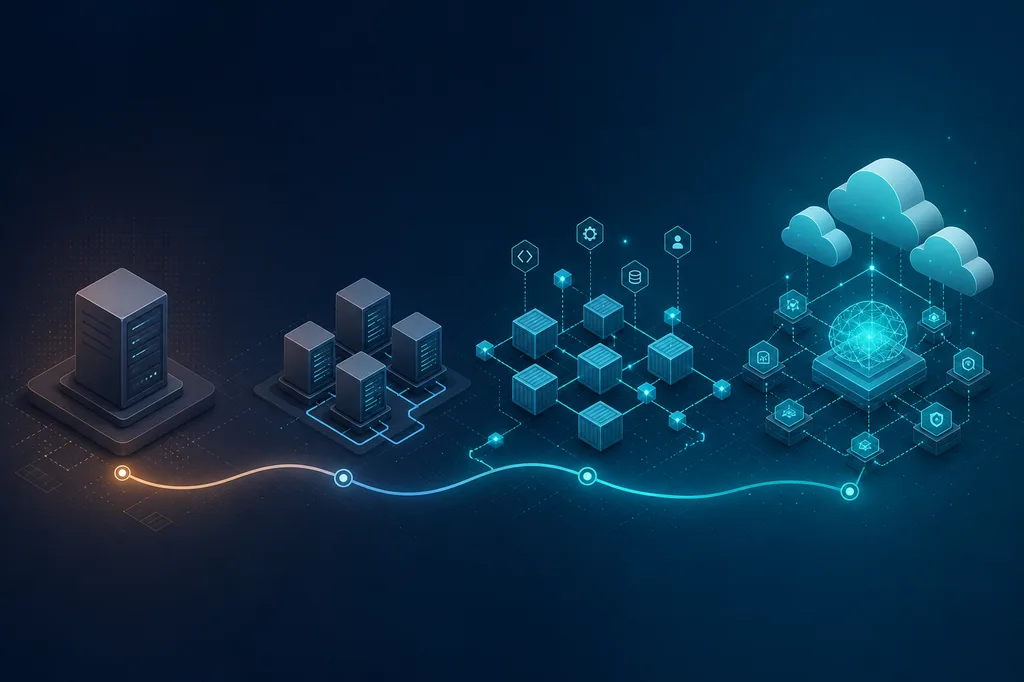
From server-side rendering in 2005 to AI apps and edge computing: how web architectures changed, why past choices were not mistakes, and how to pick an approach in 2026.

The ERP success paradox: exceptions, technical debt, a single database, and the distributed monolith. Why the monster follows business growth and how to slow decay.