

What AI devalues — and what it makes more valuable
AI does not erase professions wholesale; it devalues ways of creating value. What apps, courses, and roles lose — and where data, integration, and accountability grow.
Developer news without the noise — My Dev News in Telegram.

Tag
All blog posts with this tag.
AI does not erase professions wholesale; it devalues ways of creating value. What apps, courses, and roles lose — and where data, integration, and accountability grow.
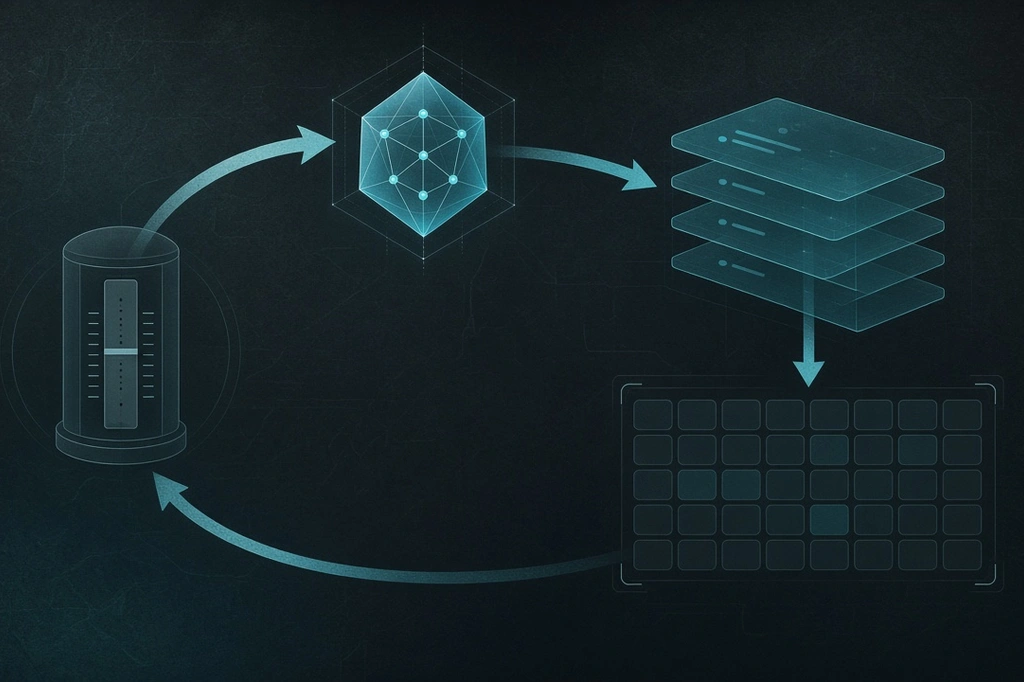
Third UT-pilot note: error diagnosis, one lever at a time, epochs, the dataset, and when the model should stop being squeezed for points.

UT pilot sequel: five cell kinds, ink, ditto-up-the-column, strike-through, and why heuristics still do not replace a tiny classifier.

Field notes on RBI: asset portfolio, PoF×CoF, integrity modules, API RP docs, and academy — not a finished product guide.

Field notes from a pilot: computer vision, OCR, vision LLMs, confidence, and operator review before ERP — not a finished production guide.
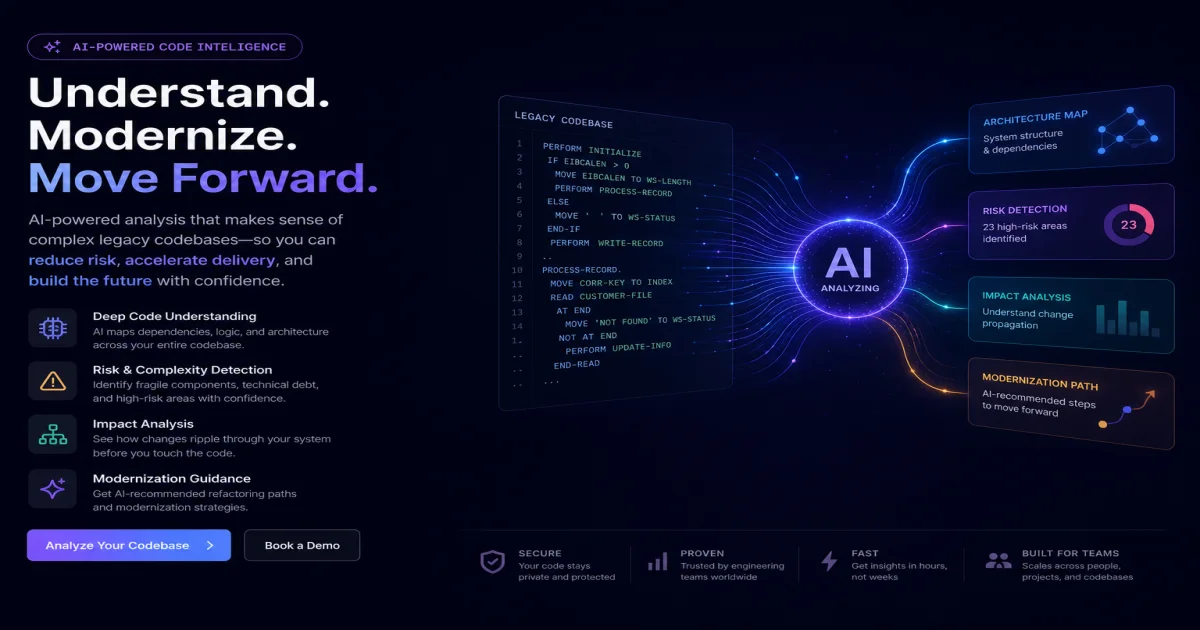
Millions of lines, hundreds of tables, dozens of integrations: what AI grasps in hours, where it fails, how teams deploy RAG and repo indexing, and why expert + model beats either alone.
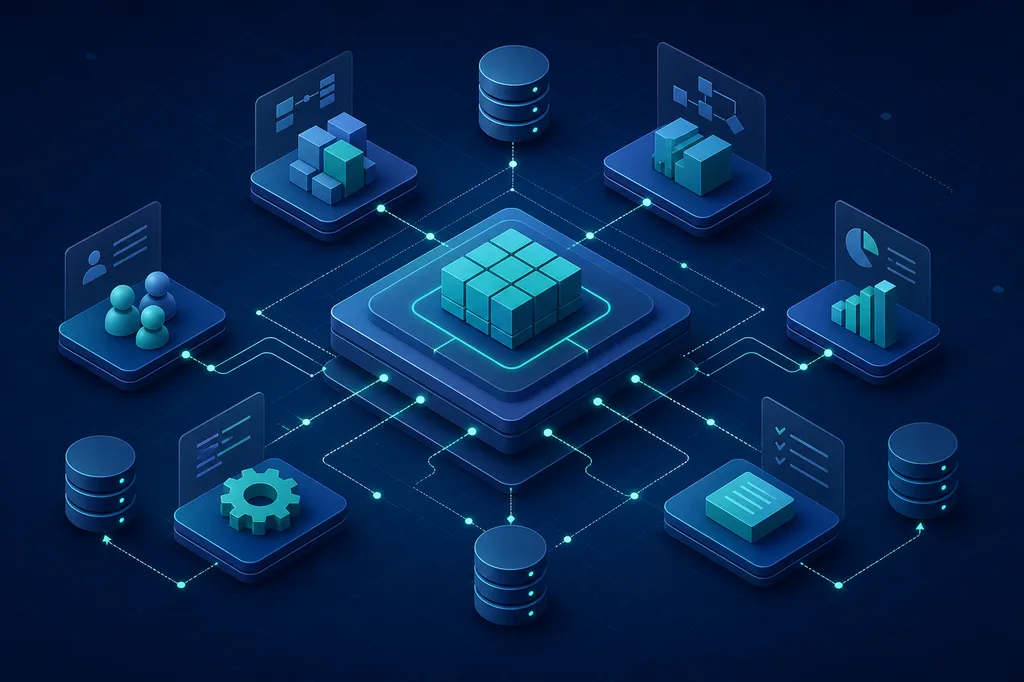
Metadata Driven Architecture, platform engines, frontend stack, and migration strategy — how to build an ERP that evolves for decades without a rewrite every five years.
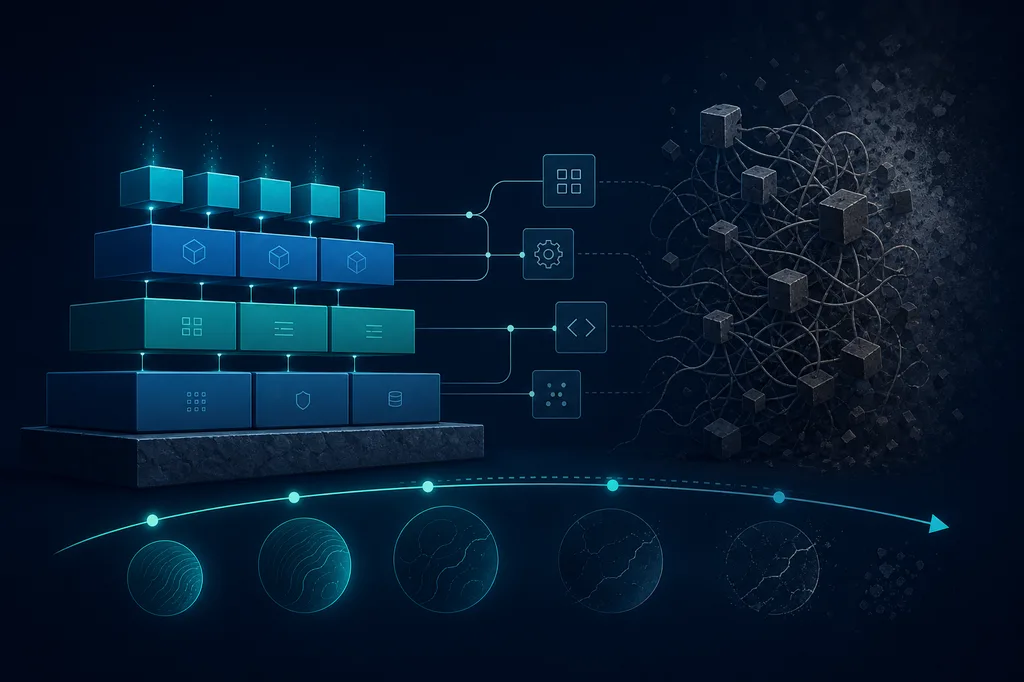
Why systems die from early architectural decisions, not outdated tech — and how to design for change, not features: module boundaries, domain modeling, data, ADRs, and a decade-long checklist.
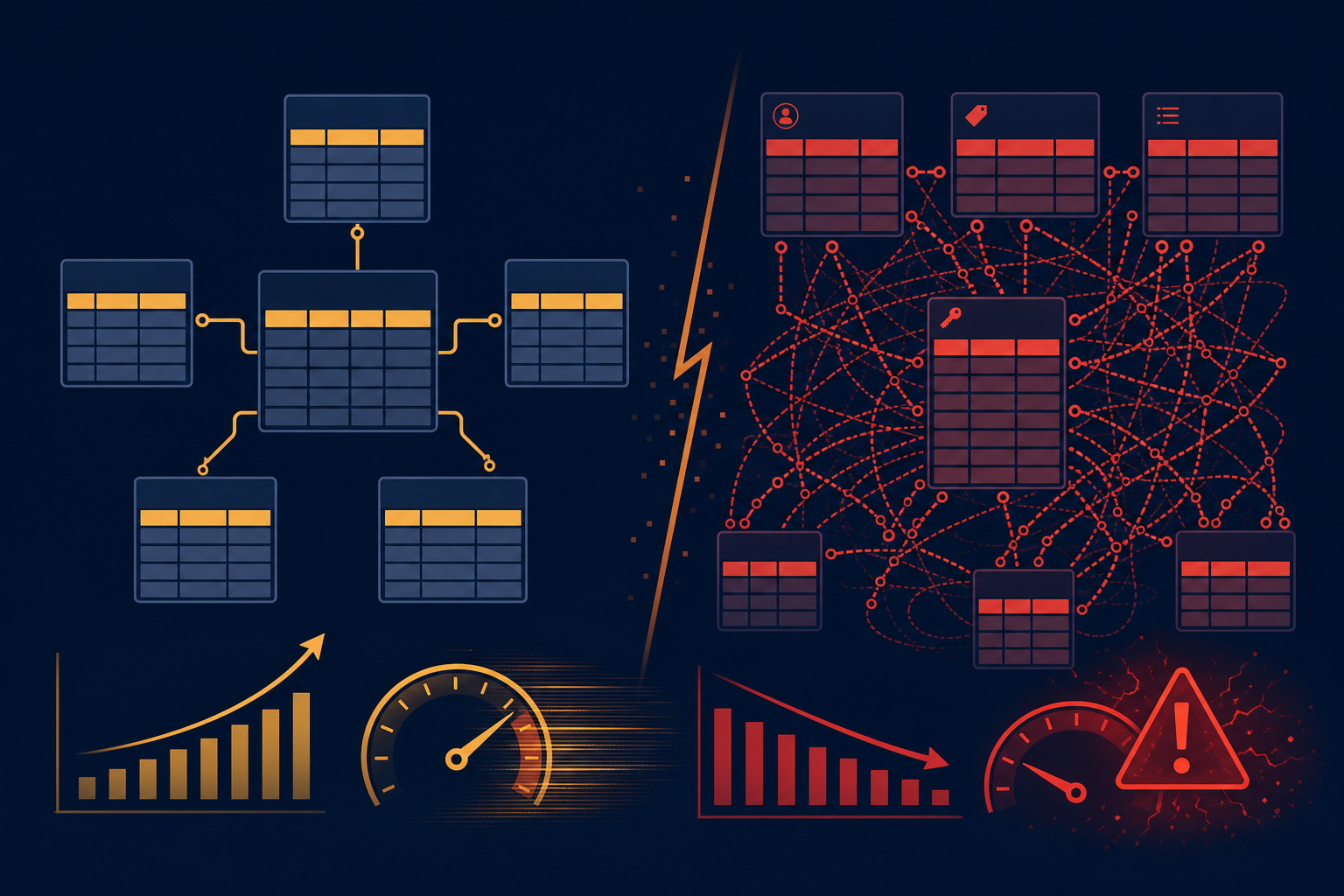
Entity–Attribute–Value looks perfect at the start: flexibility without migrations. Why JOINs, indexes, and reports break ERP years later — and where EAV fits, and where it does not.
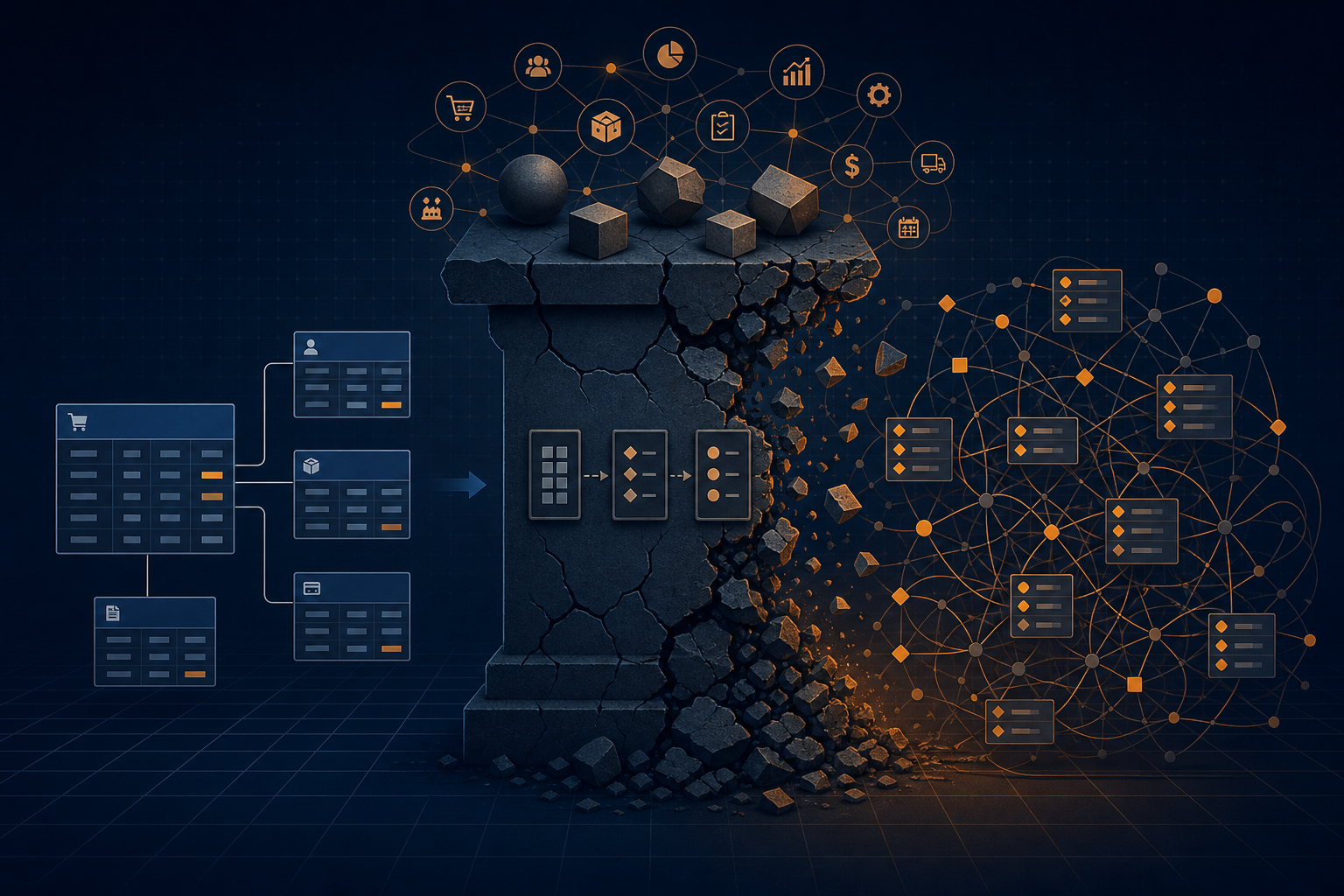
Why the illusion of universality turns ERP into an EAV monster: lost performance, typing, and business meaning — and how to build around the domain, not abstract entities.

The ERP success paradox: exceptions, technical debt, a single database, and the distributed monolith. Why the monster follows business growth and how to slow decay.