react-native-glyph-ocr: Cyrillic on-device OCR for React Native
New library: Apple Vision on iOS, PaddleOCR on Android. On Russian labels 77–83% ingredients vs 13–28% with ML Kit; already on npm.
Developer news without the noise — My Dev News in Telegram.
Tag
All blog posts with this tag.
New library: Apple Vision on iOS, PaddleOCR on Android. On Russian labels 77–83% ingredients vs 13–28% with ML Kit; already on npm.
Train CNN and CRNN from scratch: the blank=0 index contract, label encoding, normalization, and format validation — before the first dataset.
Run ML in React without a mandatory server GPU: WebGPU, Transformers.js, ONNX Runtime, OCR and computer vision, WASM fallback, and model-size budgets.
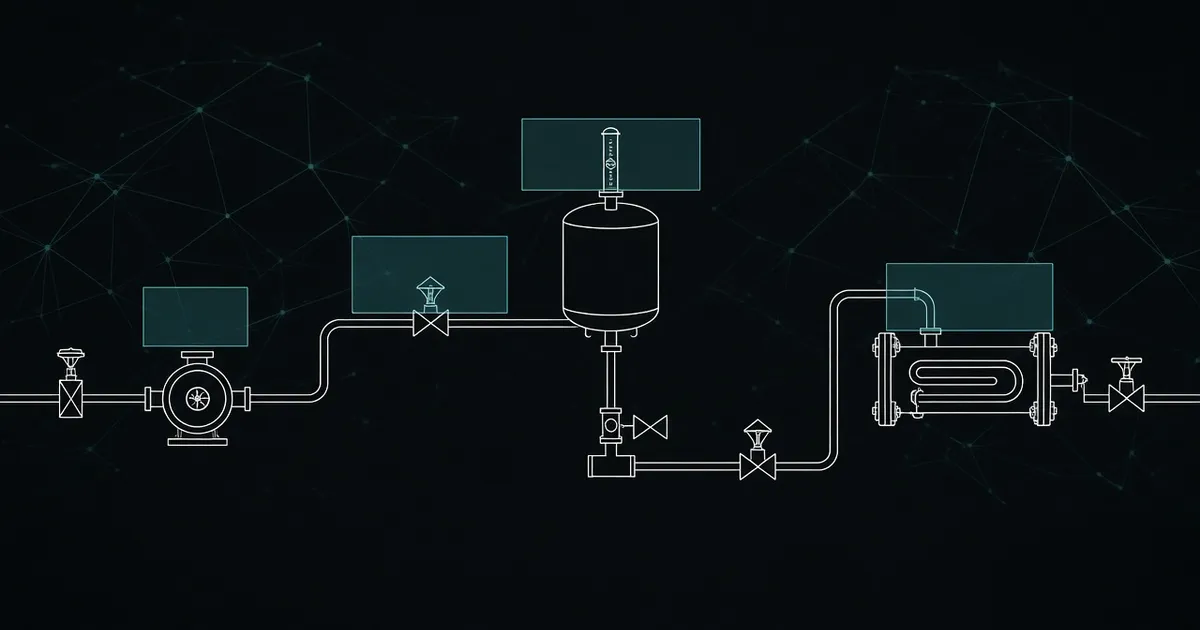
Object detection in plain engineering language: how YOLO differs from classification and segmentation, what a box, confidence, and duplicate suppression actually mean, why pretrained weights and your own dataset matter, and how to connect a detector with OCR, lines, a graph, and a language model on process diagrams.
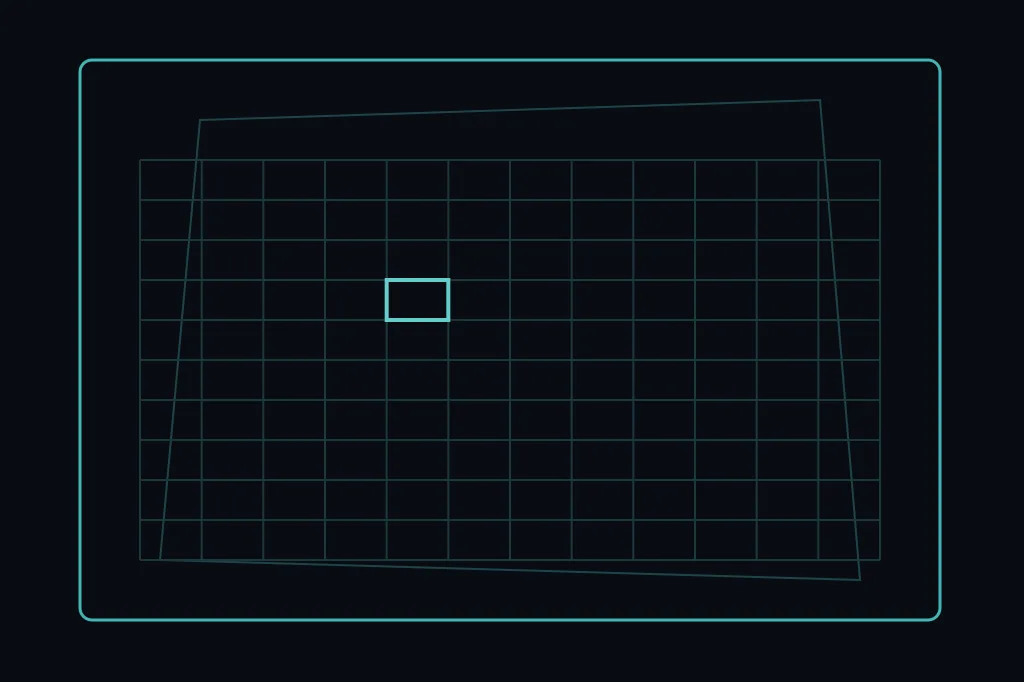
Field notes: how the pilot cuts a UT form photo into cells — morphology, projections, gated perspective — and which other sheet-splitting methods show up in industry practice.
How to choose neural network quality metrics: classification, computer vision, OCR, LLM and RAG, calibration and production indicators — what to measure so the model truly works in the product.
Field notes: a local CRNN on thickness crops, CTC, 640k parameters, the empty-cell conflict, and why a Transformer is not the first step.
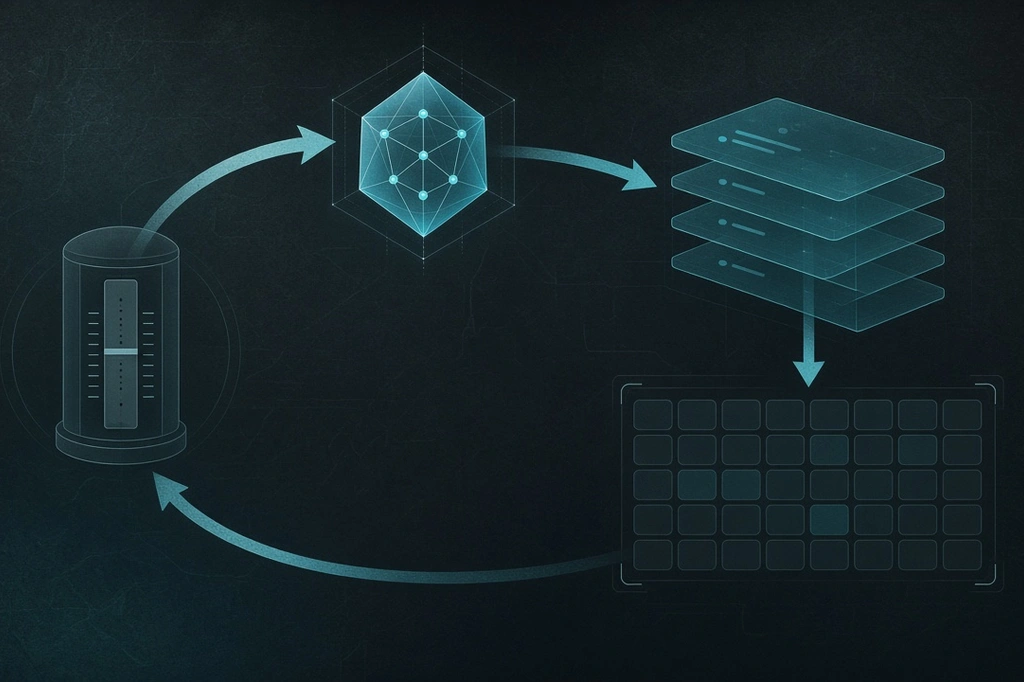
Third UT-pilot note: error diagnosis, one lever at a time, epochs, the dataset, and when the model should stop being squeezed for points.
UT pilot sequel: five cell kinds, ink, ditto-up-the-column, strike-through, and why heuristics still do not replace a tiny classifier.
Field notes from a pilot: computer vision, OCR, vision LLMs, confidence, and operator review before ERP — not a finished production guide.
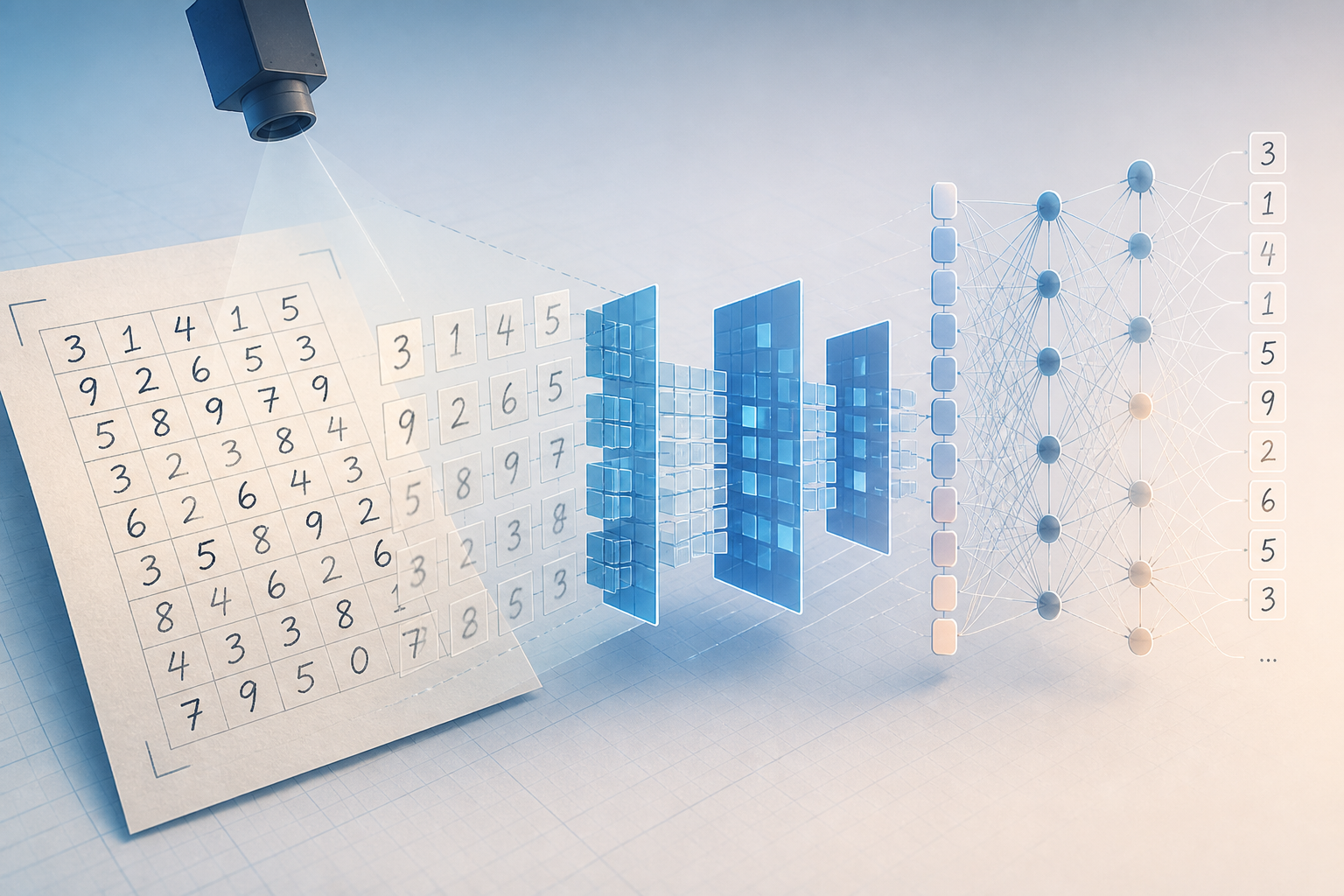
A practical path from single-digit classification to sequence recognition on real paper forms: CNN, CTC, CRNN, TrOCR, labels from your database, experiments, and a production pipeline without the wrong model.
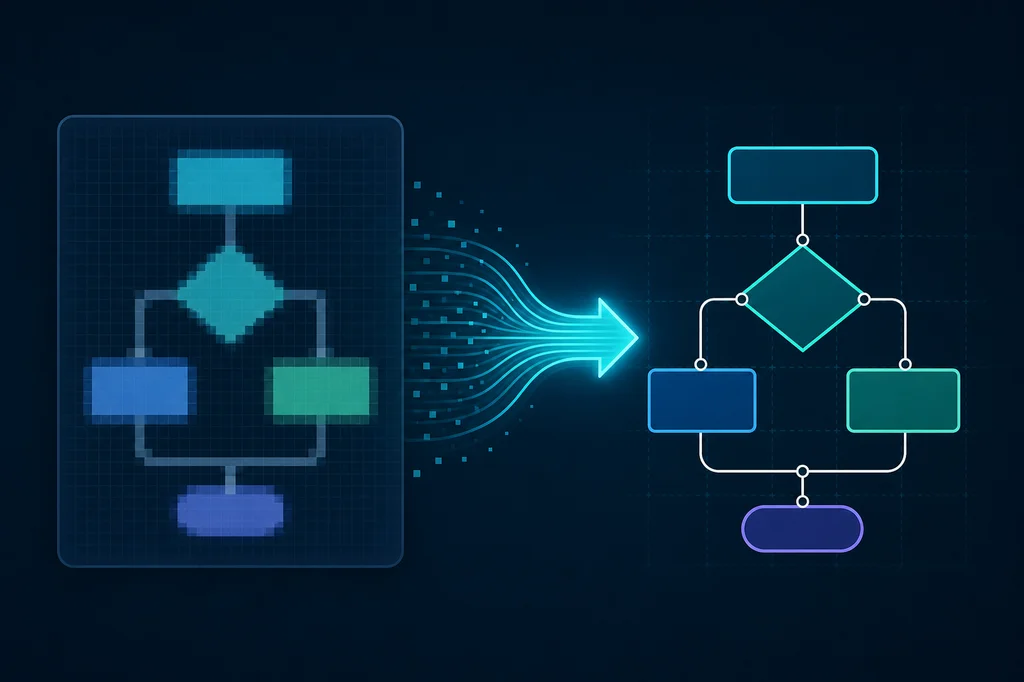
Flowcharts, UML, BPMN, network topologies, and CAD drawings: why PNG ≠ diagram, what OCR, vectorization, CAD, computer vision, and VLMs deliver in 2025–2026, and which pipeline actually works.