Lesson 2. Image → tensor — Train CNN and CRNN from scratch
The series Train CNN and CRNN from scratch: cell crop → tensor [1, 48, 160]. Gray channel, safe contrast, letterbox without distortion, and inversion — before any model.
Developer news without the noise — My Dev News in Telegram.
Tag
All blog posts with this tag.
The series Train CNN and CRNN from scratch: cell crop → tensor [1, 48, 160]. Gray channel, safe contrast, letterbox without distortion, and inversion — before any model.
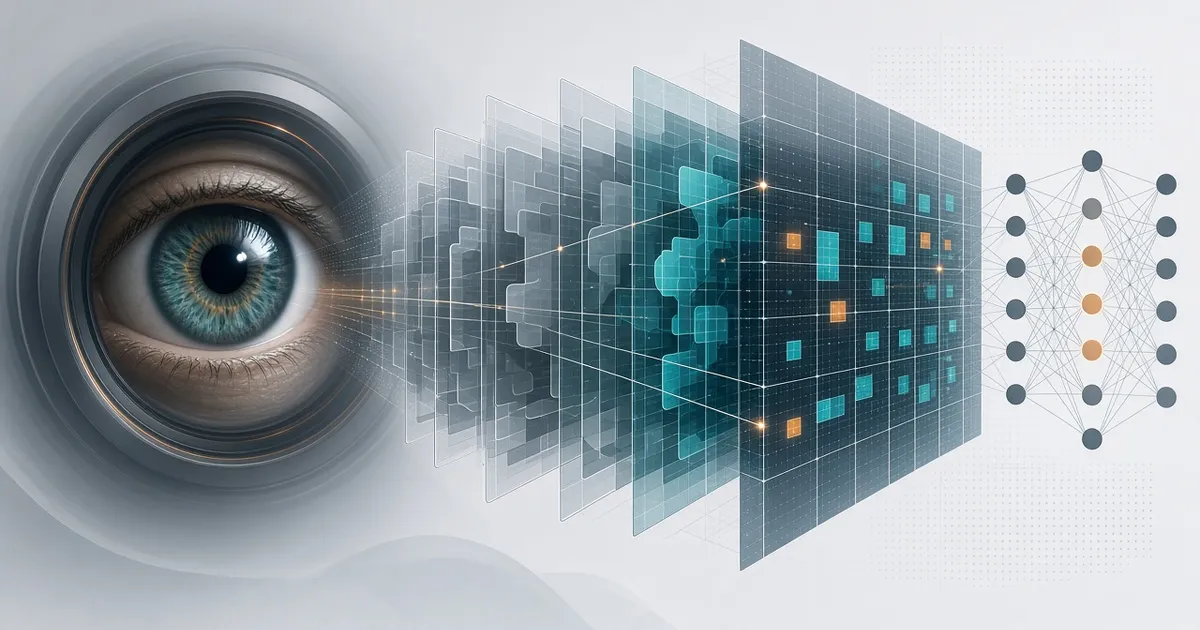
Computer Vision is not a PyTorch-vs-TensorFlow debate. Data, tensors, CNNs, classification, detection, segmentation, transfer learning, metrics, and production form one pipeline that survives an API change.
What ONNX and ONNX Runtime are, how to export from PyTorch, opsets and dynamic axes, why CRNN/YOLO exports break, and how to match Python before the browser.
Run ML in React without a mandatory server GPU: WebGPU, Transformers.js, ONNX Runtime, OCR and computer vision, WASM fallback, and model-size budgets.
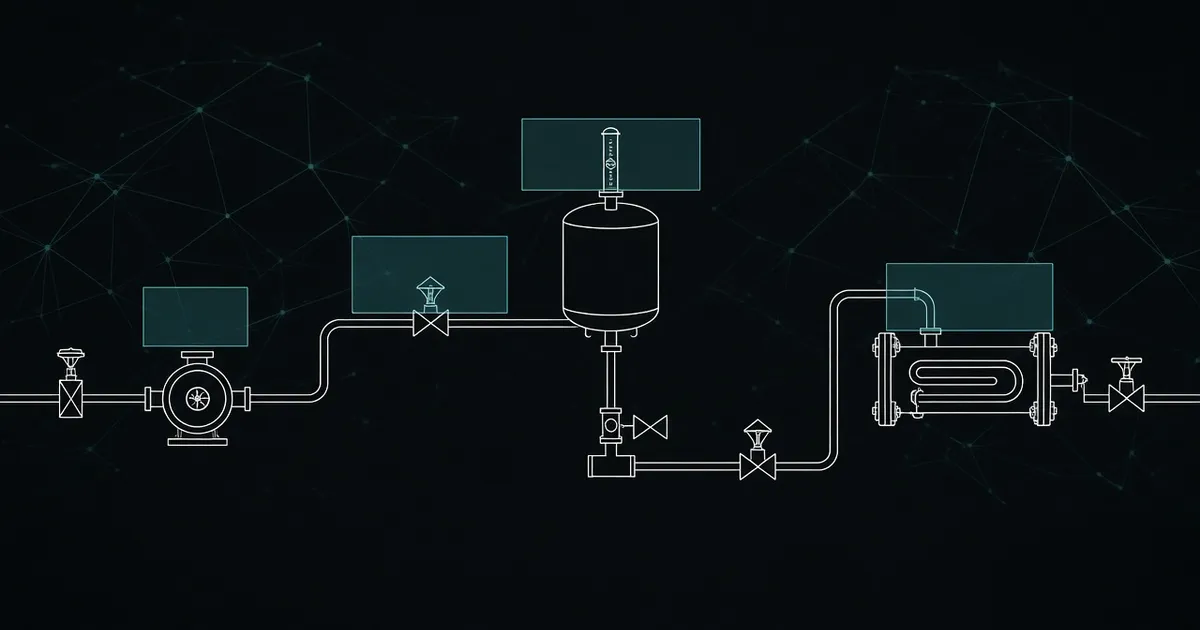
Object detection in plain engineering language: how YOLO differs from classification and segmentation, what a box, confidence, and duplicate suppression actually mean, why pretrained weights and your own dataset matter, and how to connect a detector with OCR, lines, a graph, and a language model on process diagrams.
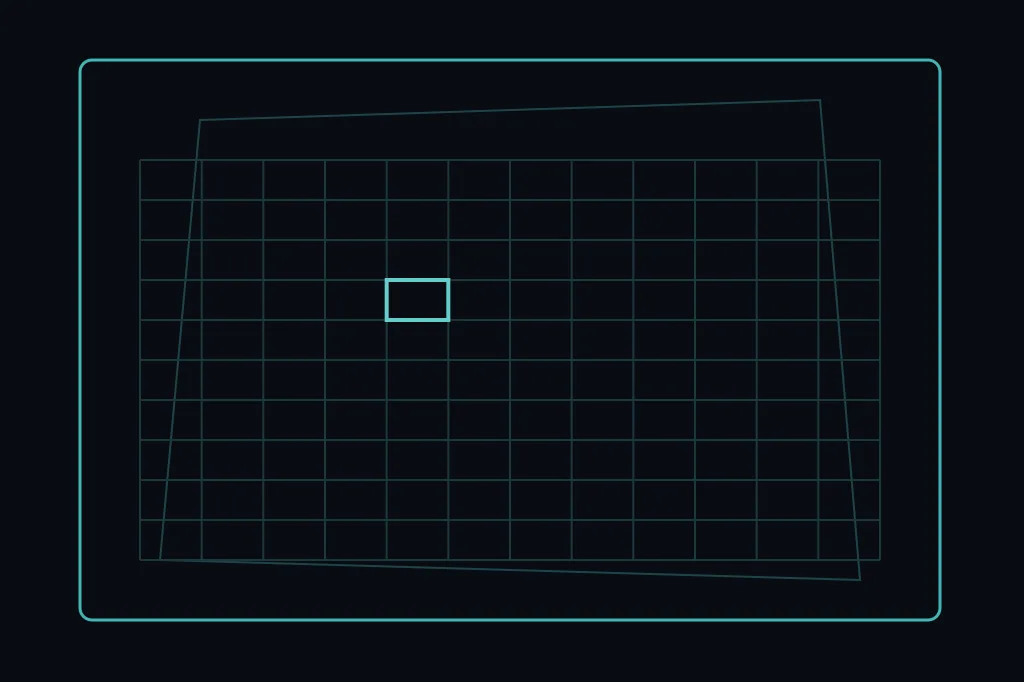
Field notes: how the pilot cuts a UT form photo into cells — morphology, projections, gated perspective — and which other sheet-splitting methods show up in industry practice.
How to choose neural network quality metrics: classification, computer vision, OCR, LLM and RAG, calibration and production indicators — what to measure so the model truly works in the product.
Field notes: a local CRNN on thickness crops, CTC, 640k parameters, the empty-cell conflict, and why a Transformer is not the first step.
UT pilot sequel: five cell kinds, ink, ditto-up-the-column, strike-through, and why heuristics still do not replace a tiny classifier.
AI for weld radiography: dataset, labels, detector, rules, and an expert. Why 88 GDXray images are not a plant dataset.
Field notes from a pilot: computer vision, OCR, vision LLMs, confidence, and operator review before ERP — not a finished production guide.
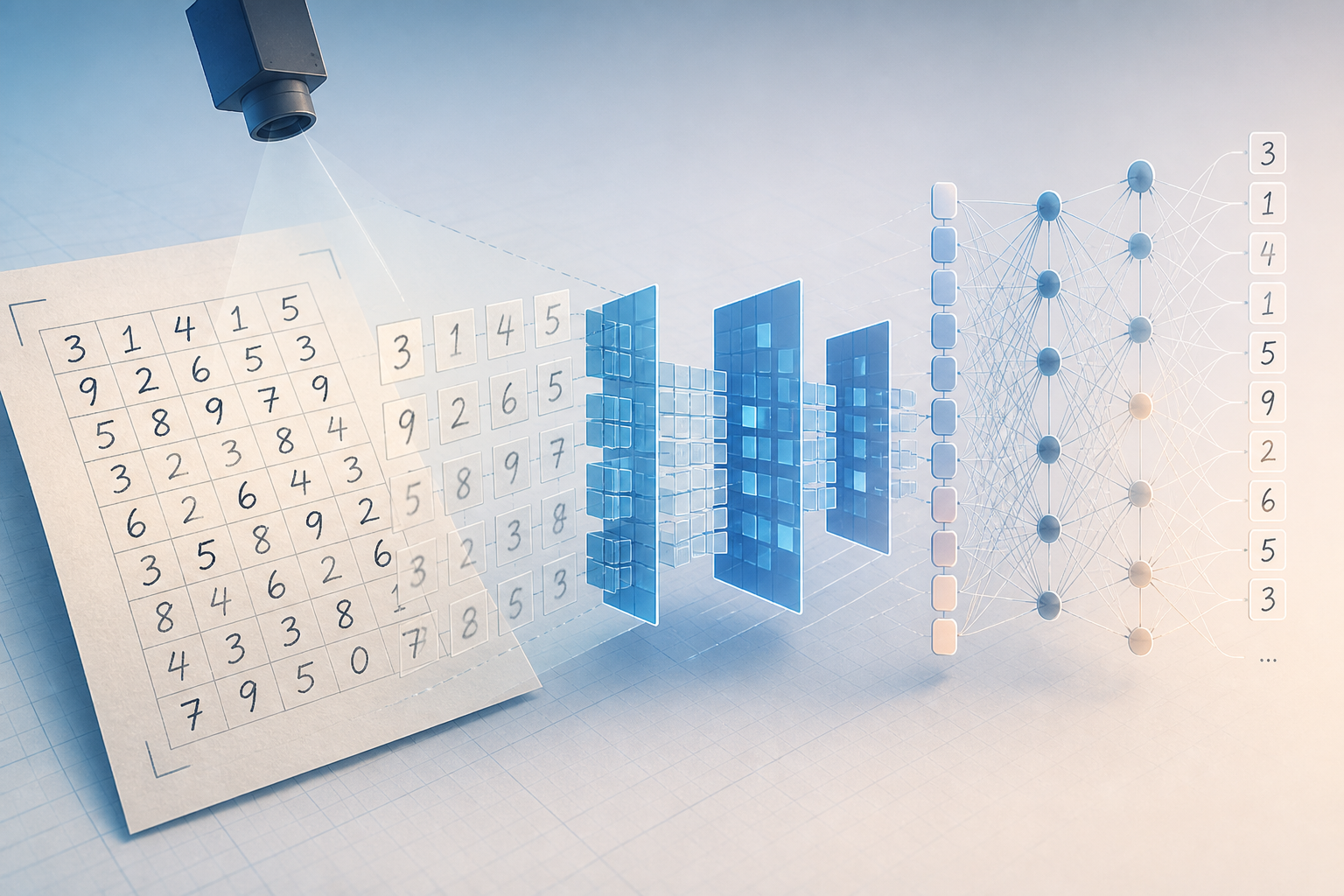
A practical path from single-digit classification to sequence recognition on real paper forms: CNN, CTC, CRNN, TrOCR, labels from your database, experiments, and a production pipeline without the wrong model.