

Why a model drops the middle of a long document
On 500 pages of docs, full context scored about 34%. A small model extracts facts before the expensive one answers.
Developer news without the noise — My Dev News in Telegram.
Tag
All blog posts with this tag.
On 500 pages of docs, full context scored about 34%. A small model extracts facts before the expensive one answers.
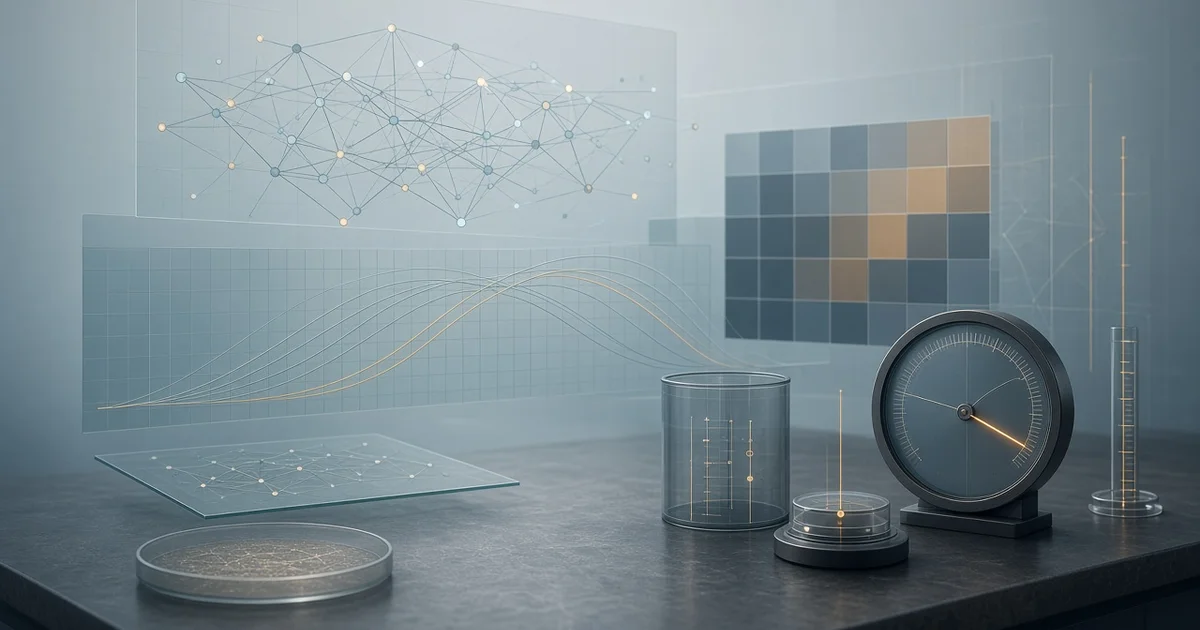
How to choose neural network quality metrics: classification, computer vision, OCR, LLM and RAG, calibration and production indicators — what to measure so the model truly works in the product.

North Small Translate: 218B parameters, 25B active, 50 languages, WMT26 83.60. Open weights under CC BY-NC, production via Model Vault — specialists over chatbots.

Qwen 3.8 27B on Cerebras public endpoints: ~1500 tokens/s, 64k/128k context, original unpruned weights in production.

Design a local qualitative-research workflow with Mistral Small 3.1, Ollama, and FastAPI—without overstating what AI can prove.

MoE tolerates CMP 90HX; dense models don't — compute paths are capped. Driver mod via V67 nearly doubles throughput but doesn't erase mining-card limits.

How text becomes tokens and vectors, what a Transformer actually does, why training is not RAG, and how to grow a Markdown knowledge base into retrieval.
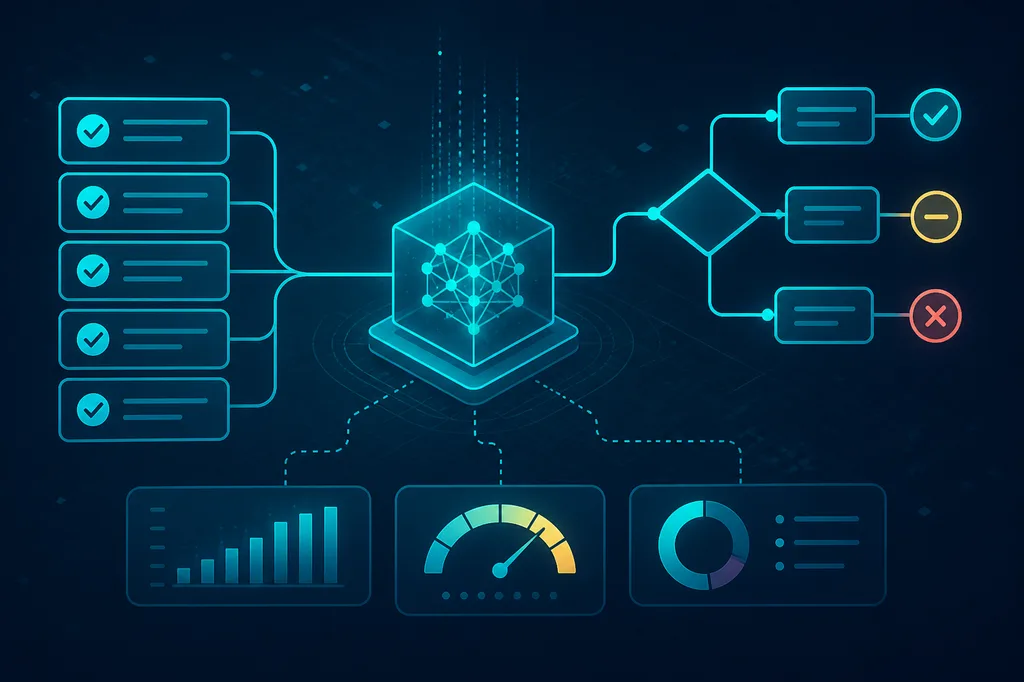
Start with the product decision and guardrails, then the model—offline eval as integration tests plus error analysis.
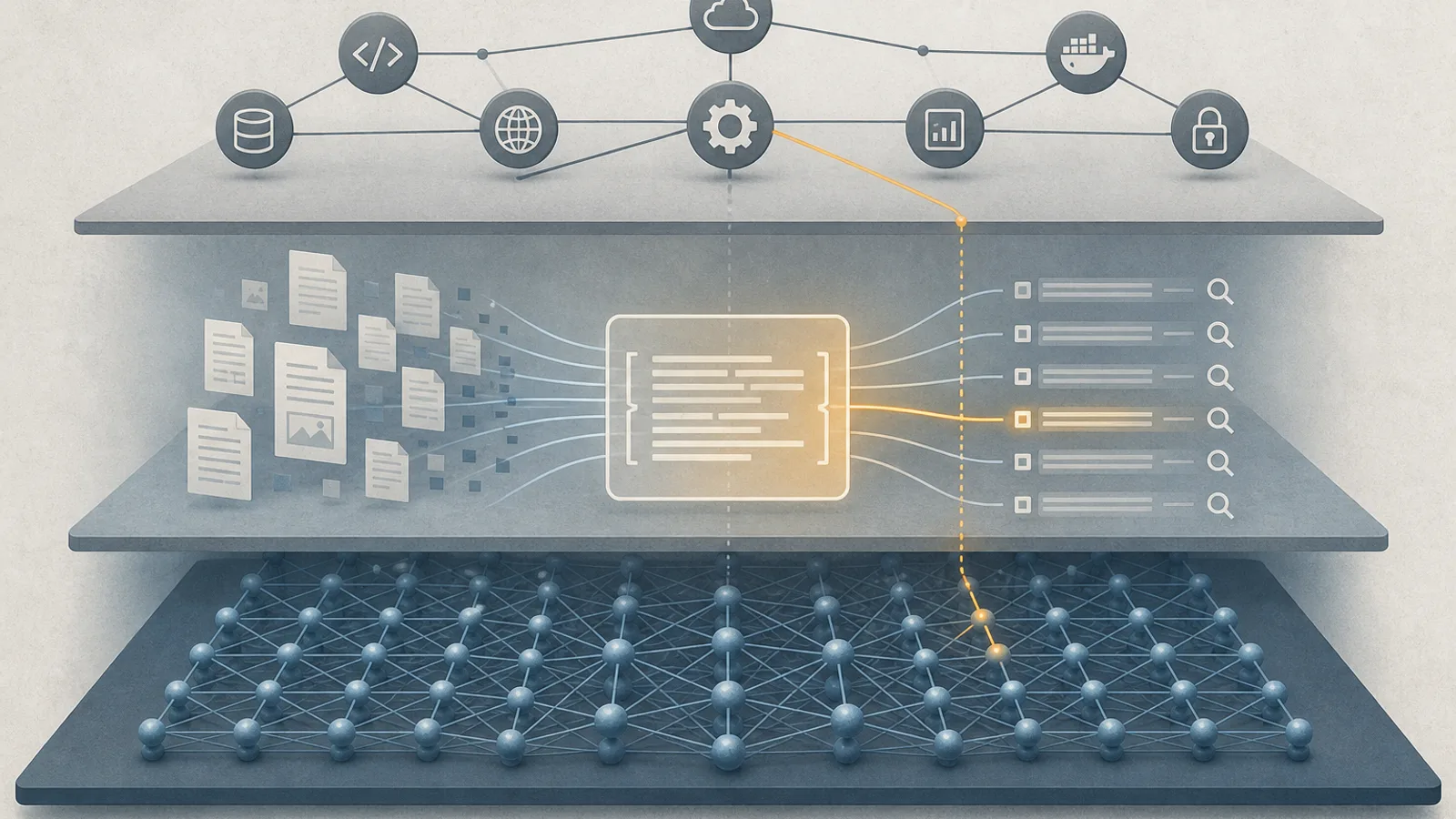
A practical map of LLM adaptation: what changes model weights, what plugs in knowledge and tools, and how to choose an approach without “fine-tuning on PDFs.”

Ukraine’s Ministry of Digital Transformation, UCU, and lang-uk open an Hugging Face leaderboard for LLMs on Ukrainian: translation, summarization, retrieval, ZNO.

Why distilled models spawn extra tool calls, how benchmarks mislead, and which metrics beat price-per-million for agent TCO.

Prime Intellect’s nanoGPT speedrun: 18 models, validated top score for Kimi K3kimi-code, plus 41 full agent trajectories.

vLLM on Blackwell: 96.9% prefix cache hit rate, 452:1 input/output, and why teams keep inference in-perimeter for control—not token savings.

LLM quality checks: public task sets, arenas, model judges, safety, product regression, and online signals — what each test measures and what it cannot see.

Part 4 of a completion series: Language Server Protocol supplies types, definitions, and references — a layer on top of repository text search.

Anthropic publishes system prompts: not magic personas, but decision rules, tools, uncertainty handling, and UX for long agent tasks.
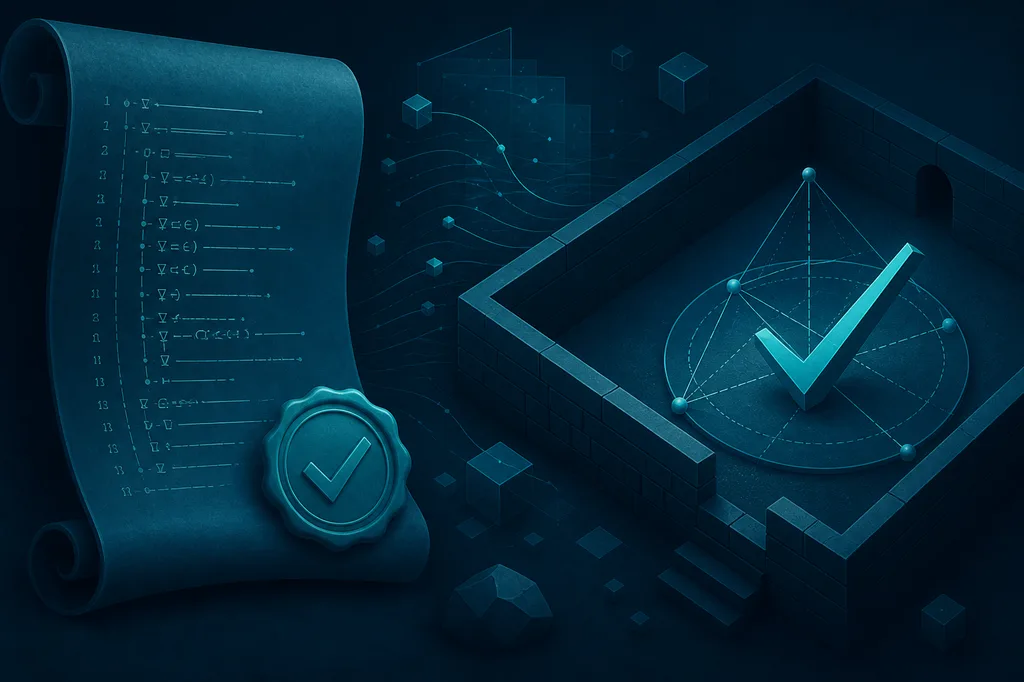
Counterexamples and proofs from models, a sandbox escape, Lean certificates: don't treat chain-of-thought as faithful reasoning.
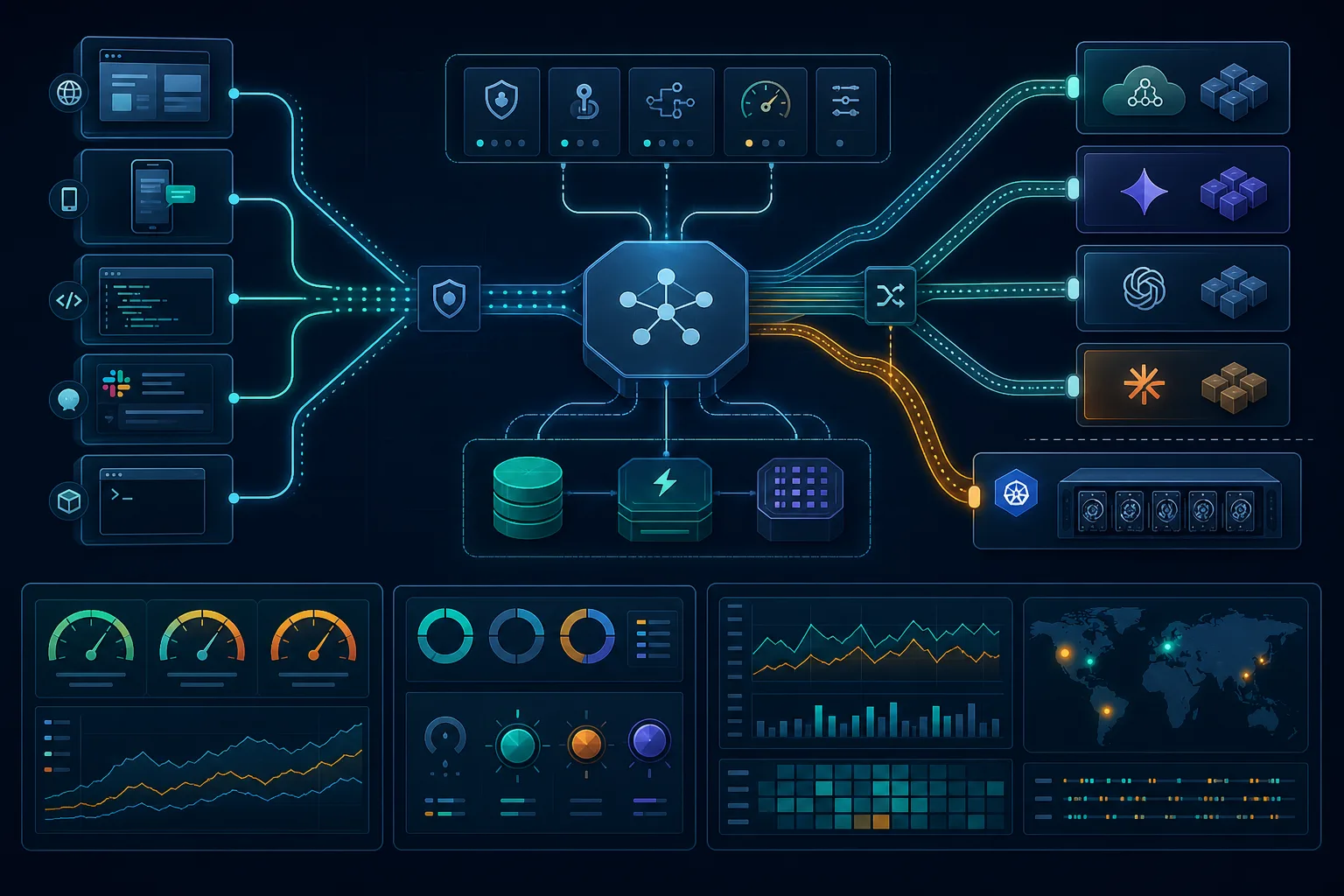
A practical 2026 guide to LLM gateways and FinOps: request taxonomy, model routing, token budgets, caching caveats, failover, multi-provider contracts, chargeback, security, observability, and a 90-day rollout plan.

OpenAI’s National Science Initiative funds model access for labs and universities, but validation, governance, and expert review remain decisive.

Moonshot AI has released Kimi K3 weights. Here is what its MoE design, 1.4 TB footprint, and licence mean before adoption.

How to select a language model for enterprise AI using scenarios, security, cost, and infrastructure requirements.

Eight practical lessons for running open LLMs: inference control, task-specific model selection, prompt templates, and structured output.
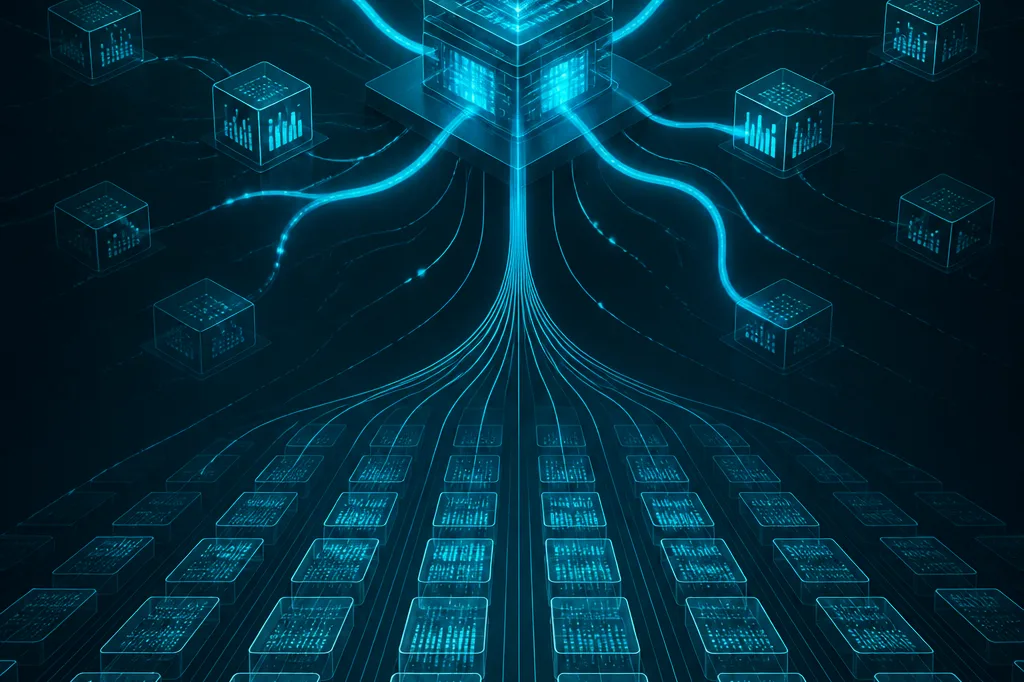
Colibri runs the GLM-5.2 MoE model without a GPU by keeping dense weights in RAM and streaming experts from NVMe. Here are the trade-offs.

Hunter Alpha was an early MiMo-V2-Pro build. Its uptake shows how price, output quality, and data jurisdiction shape model selection.

How the limits of search and rule-based systems led to LLMs—and why a model is an interface to knowledge, not enterprise memory.

A practical Claude Desktop-inspired setup: DuckDB performs calculations while the model works through schemas, tools, and guarded access.
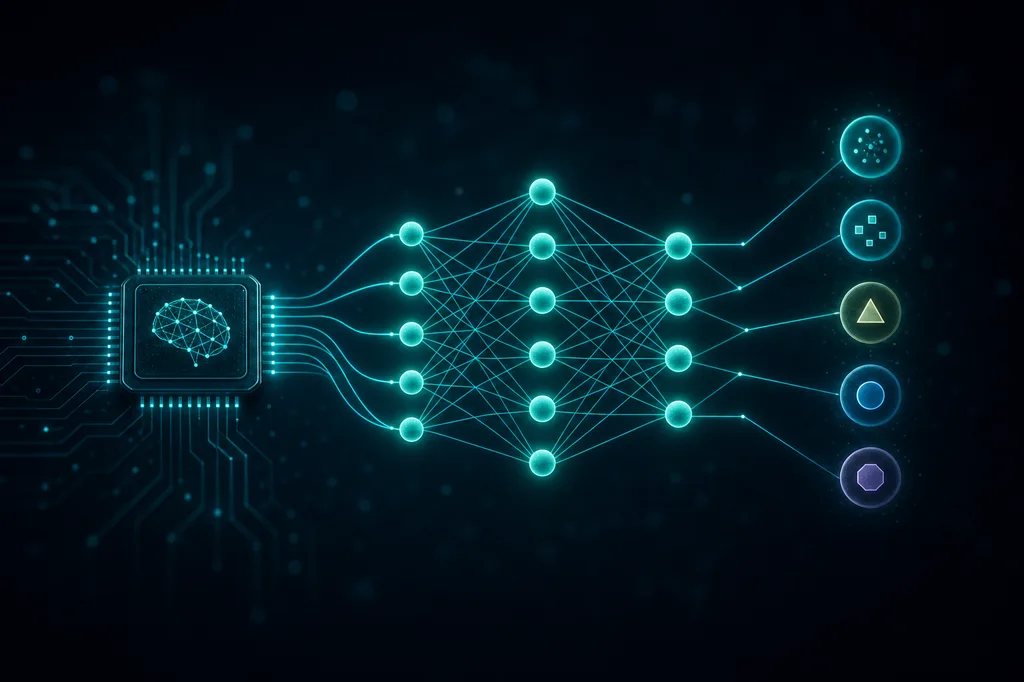
A home chatbot experiment: fine-tune a tiny local LLM with Unsloth and two-letter category codes instead of label names for metadata-aware RAG.