
stuzhuk.page
stuzhuk.page is a personal portfolio and product site on Astro SSR with AISO stack (AI Readiness 84): llms.txt, AI crawler rules, JSON-LD, hreflang, related posts and tag hubs. React/Svelte islands, PostgreSQL APIs, Dock…
DetailsDeveloper news without the noise — My Dev News in Telegram.


Technical SEO as the foundation, AEO for extractable answers, and GEO for measurable brand visibility in generative systems.
Tell me the goal, stack constraints, and timeline — I reply on Telegram.
Conventional SEO remains the foundation: crawlers need complete HTML, the correct canonical URL, useful internal links, and a comprehensible page structure. AEO helps search and answer systems extract a short, self-contained response. GEO asks a different question: whether a brand appears in generative answers, is described accurately, and which sources are cited.
I start with technical accessibility and an intent map, reviewing routes, SSR or prerendering, sitemap, robots, hreflang, structured data, and duplicates. Then I assess whether content provides direct answers, primary facts, authorship, dates, limitations, and meaningful links. Generic advice gains no information value from FAQPage or llms.txt.
GEO needs a reproducible query set, not three favourable screenshots. The system, region, and wording are recorded; brand mentions, citations, factual accuracy, and competitor answers are measured separately. A guaranteed position is not a valid promise because models, personalisation, and undisclosed ranking methods change.
Scope follows the problem. A technical audit is not the editing of hundreds of articles, and schema implementation is not continuous monitoring. Engineering acceptance means indexable URLs, valid markup, and accessible text; content acceptance means agreed intents without cannibalisation; GEO acceptance means a repeatable report on one query set.
The final acceptance checklist is confirmed in the brief or contract; the list above is a scope alignment guide.
stuzhuk.page is a personal portfolio and product site on Astro SSR with AISO stack (AI Readiness 84): llms.txt, AI crawler rules, JSON-LD, hreflang, related posts and tag hubs. React/Svelte islands, PostgreSQL APIs, Dock…
Details
Monorepo platform to generate and customize SEO-oriented websites: frontend, backend, AI service, SEO engine, templates and deployment workspaces. Focus on automation and repeatable content pipelines.
DetailsRe-engagement and revisit tracking service in TypeScript. Node APIs for scheduling callbacks, lightweight analytics, and integration hooks.
DetailsYou describe the goal, constraints, timeline, budget, and infrastructure.
I ask questions, review existing code or a brief when needed, and lock scope.
I propose stages, priorities, and a timeline range; we agree on reporting.
Iterations with intermediate results: commits, demos, and feedback.
Deploy and docs as needed; we agree on maintenance or targeted follow-ups.
Tap a question to expand the answer.
SEO keeps pages crawlable and trustworthy. AEO formats content for in-search AI answers. GEO tracks brand presence in standalone chat assistants via Share of Voice.
AISO (AI Search Optimization) is the technical layer: crawler access, extractable HTML, structured data, and site architecture for retrieval — the foundation under AEO and GEO.
New semantic value versus what search and LLMs already know. Rewrites without primary data (cases, metrics) lose to sources with first-party facts.
A pool of situational, task, and comparison prompts; 60–100 runs per prompt in target LLMs; percentage of answers mentioning the brand, plus Sentiment and factual Accuracy.
The site appears in the source list but the brand name is absent from the generated text. Fix: embed the brand in body copy, tables, and code examples — not only meta tags.
Useful as an agent-oriented site map and documentation habit. Public research and Google’s position treat it as not a proven citation booster — we implement it as part of technical hygiene, not as a SoV guarantee.
Poorly. Empty or delayed HTML hurts extraction. Prefer SSR, prerender, or hybrid rendering for pages that must appear in AI answers.
 SEO, AEO & GEO in 2026SEO, AEO, GEO & AISO in 2026: four visibility layers, crawler-ready SEO, answer blocks, brand Share of Voice, engineering stack, 90-min audit, 4-week plan, stuzhuk.page 52→84.
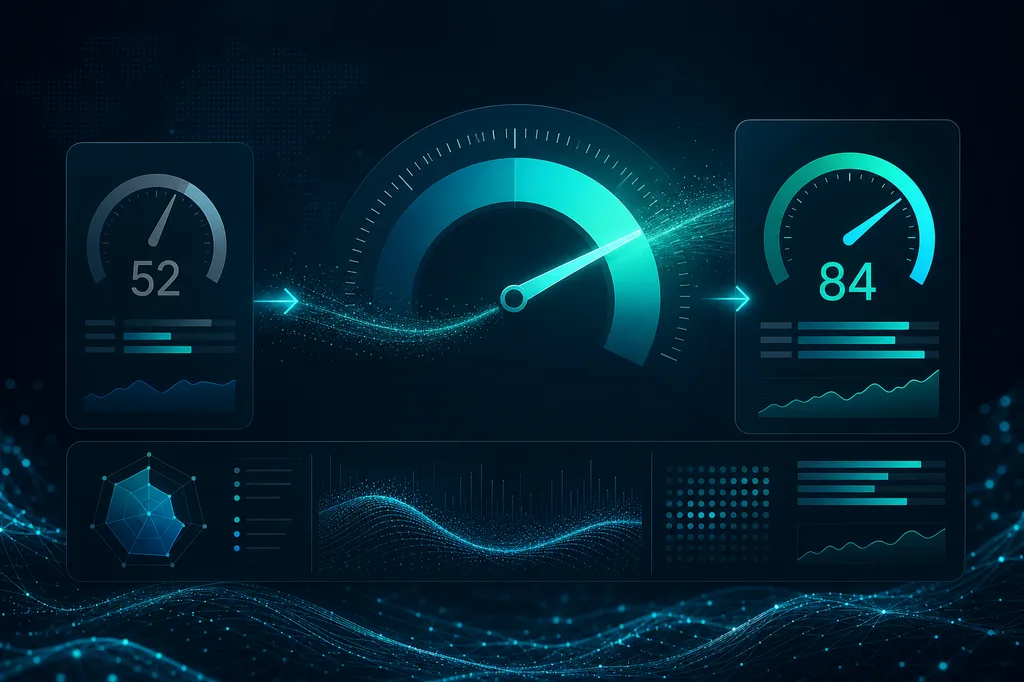 AISO audit: stuzhuk.page scoresTechnical AISO cycle breakdown: canonical, JSON-LD, llms.txt, related posts, tag hubs. May 2026.
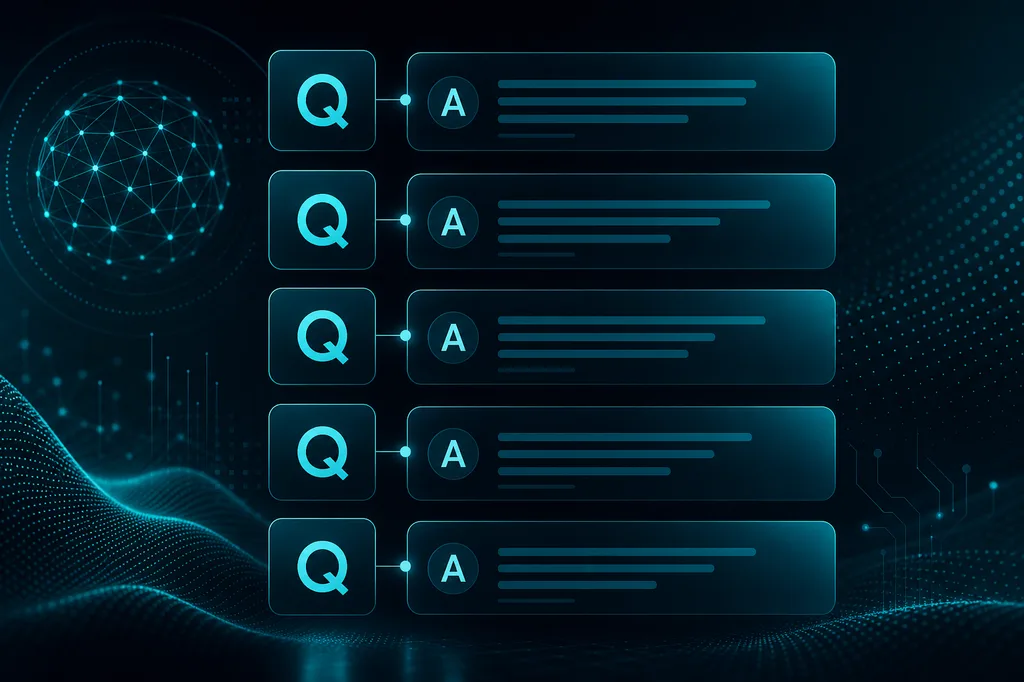 AEO content structureQuestion H2 + 40–60 word answers, lists, tables, FAQ — Answer Engine Optimization format. Q2 2026.
 GEO Share of Voice monitoringPrompt pools, bulk runs, SoV, Sentiment, and Accuracy for Generative Engine Optimization. Q2 2026.
Tell me the goal, stack constraints, and timeline — I reply on Telegram.